+1-613-836-3511 [email protected] Ottawa, Ontario, Canada
Engineering Support +1-613-836-3511

Request a Quote

Blog

China Top Convection Cooled Sine Wave Inverters Suppliers?

China Top Convection Cooled Sine Wave Inverters Suppliers?

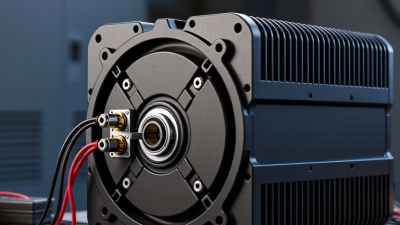
China has become a major sourcing destination for Convection Cooled Sine Wave Inverters. These systems support telecom equipment, medical devices, solar installations, and mobile workstations. Their fanless cooling design can reduce acoustic noise and simplify maintenance. However, choosing a reliable supplier requires more than comparing prices. A capable manufacturer should explain inverter topology, continuous power ratings, surge capacity, waveform quality, and thermal limits. Buyers should request load-test records, efficiency data, and protection details. Look for safeguards against overload, short circuits, overheating, and low battery voltage. Real-world performance matters. During evaluation, observe how an inverter handles a motor startup, a sensitive control board, or several devices running together. Check the enclosure, terminal layout, ventilation path, and display clarity. Small details often reveal manufacturing discipline. Ask whether testing covers the intended battery chemistry and operating temperature. No supplier is perfect. That matters. Some product pages use broad performance claims without supporting measurements. Independent verification remains valuable. Factory audits, sample testing, reference customers, and clear warranty terms can strengthen confidence. Relevant certifications should also be checked against the destination market’s requirements. This guide examines leading Chinese suppliers through practical criteria, including engineering capability, customization, production consistency, communication, and after-sales support. It does not treat the lowest quotation as the best choice. A dependable partnership depends on documented performance and honest technical discussion. Even experienced buyers can overlook thermal derating. Careful comparison reduces that risk.
Read more »
Ethan By:Ethan - October 28, 2026
5 Tips for Buying Fully Encapsulated DC DC Converters

5 Tips for Buying Fully Encapsulated DC DC Converters

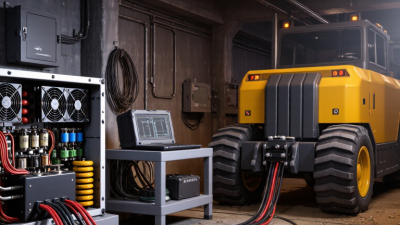
Choosing the right fully encapsulated DC-DC converter requires more than comparing voltage ranges and prices. In demanding vehicles, communication cabinets, industrial controls, and outdoor equipment, small specification gaps can create expensive failures. This guide presents five practical tips for evaluating Fully Encapsulated Heavy-Duty DC-DC Converters before purchase. The focus stays on evidence, application fit, and long-term reliability. Start with the actual electrical environment. Confirm input voltage variation, output regulation, power demand, isolation rating, and transient protection. A converter rated for 24 volts may not tolerate the spikes found in engines, batteries, or long cable runs. Details matter. Check continuous power, not only the attractive peak rating. Ask whether testing covered cold starts, reverse polarity, short circuits, and load changes. These details should appear in reliable technical documents. Thermal behavior deserves equal attention. A sealed enclosure protects against moisture, dust, vibration, and contamination, but it can also trap heat. Review derating curves, mounting guidance, operating temperature, and cooling requirements. Heat wins. Verify electromagnetic compatibility with the surrounding system, especially near radios, sensors, and controllers. Supplier credibility also matters; request test reports, traceable quality procedures, warranty terms, and realistic delivery information. A polished datasheet is not proof of field performance. In practice, buyers sometimes overlook connector quality or installation space. That is a useful weakness to admit and correct. The best decision comes from matching verified performance to real operating conditions, then leaving room for uncertainty, maintenance, and future load changes.
Read more »
Clara By:Clara - October 23, 2026
Top 10 Universal Input Active PFC Power Supplies?

Top 10 Universal Input Active PFC Power Supplies?

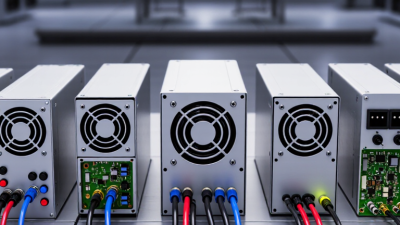
Choosing among the Top 10 Universal Input Active PFC Power Supplies requires more than comparing wattage and price. These units accept broad AC ranges, often from 90V to 264V, while active power factor correction helps reduce current distortion. In practical installations, that can mean steadier operation for servers, LED systems, industrial controllers, and test equipment. Still, efficiency labels alone do not tell the complete story. This guide examines Universal Input Active PFC Power Supplies through measurable and practical criteria. We consider rated output, efficiency across different loads, ripple performance, thermal behavior, protection features, certifications, and manufacturer support. A supply may deliver 500 watts on paper, yet struggle inside a warm, poorly ventilated cabinet. That detail matters. Fan noise, connector quality, hold-up time, and startup behavior also influence long-term reliability. Real-world testing is rarely perfect. Manufacturers may publish results under controlled conditions, while users face voltage fluctuations, dust, tight enclosures, and uneven loads. Therefore, the ranking should be viewed as a careful reference, not an absolute verdict. Some models may perform exceptionally in laboratory measurements but offer limited documentation or replacement support. Others may appear less impressive yet remain dependable in daily operation. We have included these weaknesses rather than hiding them. The goal is a clearer buying decision, supported by specifications, engineering judgment, and practical experience. Before installation, always verify compatibility, grounding requirements, cooling space, and the actual load profile. A well-matched power supply protects equipment and reduces unnecessary maintenance.
Read more »
Clara By:Clara - October 18, 2026
7 Tips for Buying Eurocard Plug-In Power Modules

7 Tips for Buying Eurocard Plug-In Power Modules

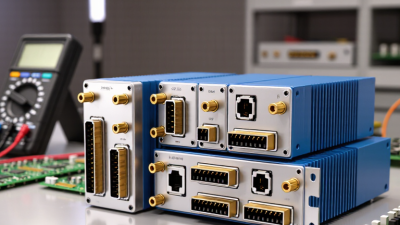
Choosing Eurocard Plug-In Power Modules is not simply a matter of comparing prices. These compact units must fit the board, connector system, enclosure, and intended electrical environment. A module that looks suitable on a product page may fail when its pin spacing, output tolerance, or cooling requirements are checked more carefully. This guide presents seven practical tips for making a more reliable purchase. It considers input voltage, rated power, efficiency, protection features, connector compatibility, thermal performance, and supplier documentation. Datasheets deserve close attention. Look for clearly stated limits, test conditions, derating curves, and certification information. A dependable manufacturer should explain how the module performs at different loads, temperatures, and installation positions. That level of detail often reveals more than a polished catalogue image. Small details matter. During evaluation, inspect the mounting arrangement and leave enough airflow around heat-producing components. Confirm whether overload, short-circuit, and over-temperature protection can support the whole system. It is also sensible to request samples before approving a larger order. Bench testing may expose noise, voltage dips, or mechanical interference that specifications do not show. Even experienced engineers can overlook one interface detail under schedule pressure. A checklist helps, but it is not infallible. Real-world testing still matters. By comparing documented performance with actual operating conditions, buyers can select Eurocard Plug-In Power Modules with greater confidence, fewer integration surprises, and a clearer view of long-term reliability.
Read more »
Ethan By:Ethan - October 13, 2026
How to Choose 19 Inch Rack Mount Power Systems in 2026?

How to Choose 19 Inch Rack Mount Power Systems in 2026?

Choosing 19-Inch Rack-Mount Power Systems in 2026 requires more than comparing wattage, outlet counts, and purchase prices. A reliable system must match the rack’s actual load, future expansion plans, cooling conditions, and maintenance routine. The right choice should protect servers, switches, storage units, and network appliances during unstable power events. Neil Rasmussen, founder of APC and a respected data center infrastructure expert, has emphasized a practical principle: “The best data center designs are simple, repeatable, and easy to operate.” That idea remains valuable when evaluating 19-Inch Rack-Mount Power Systems. A front-panel display, clear alarms, intelligent monitoring, and tool-free replacement can matter as much as electrical capacity. Small details become important at 2 a.m. Look closely at input voltage, phase compatibility, circuit ratings, surge protection, transfer time, and efficiency across different loads. A 10 kW system may sound impressive, yet it can be unsuitable for a rack with limited upstream power. Measure the real demand. Do not trust labels alone. In 2026, buyers should also examine remote management, SNMP or API support, cybersecurity controls, battery health reporting, and compatibility with modern lithium-ion or high-density battery systems. These features can reduce manual checks and improve response time. However, monitoring cannot replace a tested operating procedure. That assumption is easy to make, and sometimes wrong. This guide will compare practical selection criteria, common mistakes, lifecycle costs, and deployment examples. It will also question a familiar habit: choosing the most powerful unit instead of the most suitable one.
Read more »
Ethan By:Ethan - October 8, 2026
2026 Best 3 Phase Industrial DC AC Inverters?

2026 Best 3 Phase Industrial DC AC Inverters?

Industrial power systems are entering a more demanding decade. The IEA’s Electricity 2024 report projects strong global electricity demand growth through 2026. Manufacturing plants, data centers, and transport facilities need stable conversion between battery DC and industrial AC loads. This pressure makes 3-Phase Industrial DC-AC Inverters more important than ever. IRENA reported that 86% of newly installed renewable power capacity in 2023 produced electricity below new fossil-fuel generation costs. That shift is expanding battery storage, solar integration, and hybrid microgrids. Yet cheaper energy does not guarantee reliable operation. A factory floor still needs clean waveforms, controlled voltage, low harmonic distortion, and fast fault protection. IEEE 519 remains a key reference for harmonic performance. IEC 62477-1 also supports safety evaluation for power electronic systems. Performance matters. A 2026 inverter comparison should examine more than rated output. Engineers should check continuous overload capability, switching efficiency, thermal derating, enclosure protection, communication protocols, and service access. A 500 kW unit may look impressive, but its performance can change inside a hot, dusty electrical room. Cooling design matters. So does replacement time. This guide evaluates leading technologies for industrial DC-AC conversion. It considers efficiency, reliability, control flexibility, grid compatibility, and total ownership cost. Manufacturer claims require careful verification through test data, certifications, and field experience. No ranking is perfect. Site conditions can reverse the order. The best choice depends on the load profile, battery chemistry, operating environment, and maintenance strategy. That practical uncertainty deserves attention before any 2026 purchasing decision.
Read more »
Ethan By:Ethan - October 3, 2026
Top 10 Subsea IP66-Rated Power Supplies for Global Buyers

Top 10 Subsea IP66-Rated Power Supplies for Global Buyers

Subsea IP66-Rated Power Supplies are becoming essential wherever dependable power must survive spray, dust, vibration, and difficult maintenance access. Global buyers need more than a familiar enclosure label. They must examine output stability, corrosion resistance, thermal performance, connector quality, and documented testing. A unit may look robust on a warehouse bench. Offshore conditions are less forgiving. Dr. Ian R. Wallace, a subsea power-systems engineer with field experience in offshore instrumentation, explains, “Protection begins with the enclosure, but reliability depends on every interface around it.” That observation deserves attention. A sealed housing cannot compensate for a weak cable gland, poor grounding, or an unsuitable mounting bracket. Small details matter. This guide reviews ten Subsea IP66-Rated Power Supplies for international buyers. Each option is considered through practical criteria, including input compatibility, regulated output, operating temperature, ingress protection, serviceability, and supplier documentation. The review also considers installation realities, such as salt residue on connectors and restricted space inside subsea cabinets. Those details are easy to overlook. Not every product will suit every project. That is the uncomfortable part. A compact supply may simplify installation but sacrifice heat dissipation. A higher-rated model may offer stronger protection but increase cost and weight. Buyers should verify certification, test reports, warranty terms, and regional support before placing an order. Product pages can be incomplete. Careful questions remain necessary.
Read more »
Clara By:Clara - September 20, 2026
China Top 10 Railway DC DC Power Converter Manufacturers?

China Top 10 Railway DC DC Power Converter Manufacturers?

China’s railway industry has developed a strong base of power-electronics manufacturers. This article introduces ten Chinese companies producing Railway DC-DC Power Converters for demanding rail applications. These converters support traction controls, signaling equipment, communication systems, passenger information displays, and onboard monitoring devices. The selection considers practical engineering factors, not only company size. Key points include input-voltage range, output stability, galvanic isolation, efficiency, thermal performance, vibration resistance, and protection against short circuits. Product documentation, railway certifications, testing capability, and after-sales support also matter. A converter may look impressive on paper, yet fail to meet real installation conditions. Cabinet space, airflow, wiring distance, and maintenance access can change the final decision. Reliable evaluation requires careful source checking. Manufacturer datasheets, technical catalogs, certification records, and customer references offer useful evidence. Standards such as EN 50155, EN 50124, and EN 45545 may be relevant, depending on the railway system and application. However, certification claims should be confirmed for the exact model, not only the product family. This list is a practical market guide, rather than an absolute ranking. Some companies publish limited information, which makes comparison imperfect. Still, the selected manufacturers provide a useful starting point for engineers, procurement teams, and system integrators seeking stable DC-DC solutions made in China. Real project testing remains essential before approval. Small details matter.
Read more »
Evelyn By:Evelyn - September 20, 2026
How to Choose Shipboard Sine Wave Inverters in 2026?

How to Choose Shipboard Sine Wave Inverters in 2026?

Choosing Shipboard Sine Wave Inverters in 2026 requires more than checking wattage and price. A vessel’s inverter must deliver stable power beside generators, batteries, navigation electronics, pumps, and sensitive communication equipment. A small waveform error can become visible as heat, noise, resets, or shortened equipment life. The International Maritime Organization’s 2023 GHG Strategy sets indicative checkpoints for international shipping, including a 20–30% emissions reduction by 2030 and 70–80% by 2040, compared with 2008 levels. These targets are increasing interest in hybrid systems, battery storage, and onboard electrical loads. DNV’s Maritime Forecast to 2050 also identifies energy efficiency, electrification, and power-system integration as important technology pathways. Meanwhile, ABS guidance on hybrid electric power systems stresses protection, redundancy, testing, and safe integration. Power-quality specialist Roger C. Dugan writes, “Power quality is a customer-driven issue.” That warning applies strongly at sea. The crew may not notice a clean sine wave, but they will notice a failed radar display or a tripped control panel. This guide examines continuous power, surge capacity, voltage regulation, frequency stability, harmonic distortion, cooling, enclosure protection, and remote monitoring. It also considers battery chemistry and generator compatibility. Real installations are rarely perfect. Cable losses are often underestimated. Startup surges may exceed brochure figures. The best choice is not always the largest inverter. It is the unit that remains predictable when the vessel is cold, humid, crowded, and operating far from shore support.
Read more »
Evelyn By:Evelyn - September 20, 2026