
+1-613-836-3511 [email protected] Ottawa, Ontario, Canada
Engineering Support +1-613-836-3511
Request a Quote
0%

Choosing Eurocard Plug-In Power Modules is not simply a matter of comparing prices. These compact units must fit the board, connector system, enclosure, and intended electrical environment. A module that looks suitable on a product page may fail when its pin spacing, output tolerance, or cooling requirements are checked more carefully.

This guide presents seven practical tips for making a more reliable purchase. It considers input voltage, rated power, efficiency, protection features, connector compatibility, thermal performance, and supplier documentation. Datasheets deserve close attention. Look for clearly stated limits, test conditions, derating curves, and certification information. A dependable manufacturer should explain how the module performs at different loads, temperatures, and installation positions. That level of detail often reveals more than a polished catalogue image.

Small details matter.

During evaluation, inspect the mounting arrangement and leave enough airflow around heat-producing components. Confirm whether overload, short-circuit, and over-temperature protection can support the whole system. It is also sensible to request samples before approving a larger order. Bench testing may expose noise, voltage dips, or mechanical interference that specifications do not show. Even experienced engineers can overlook one interface detail under schedule pressure. A checklist helps, but it is not infallible. Real-world testing still matters. By comparing documented performance with actual operating conditions, buyers can select Eurocard Plug-In Power Modules with greater confidence, fewer integration surprises, and a clearer view of long-term reliability.
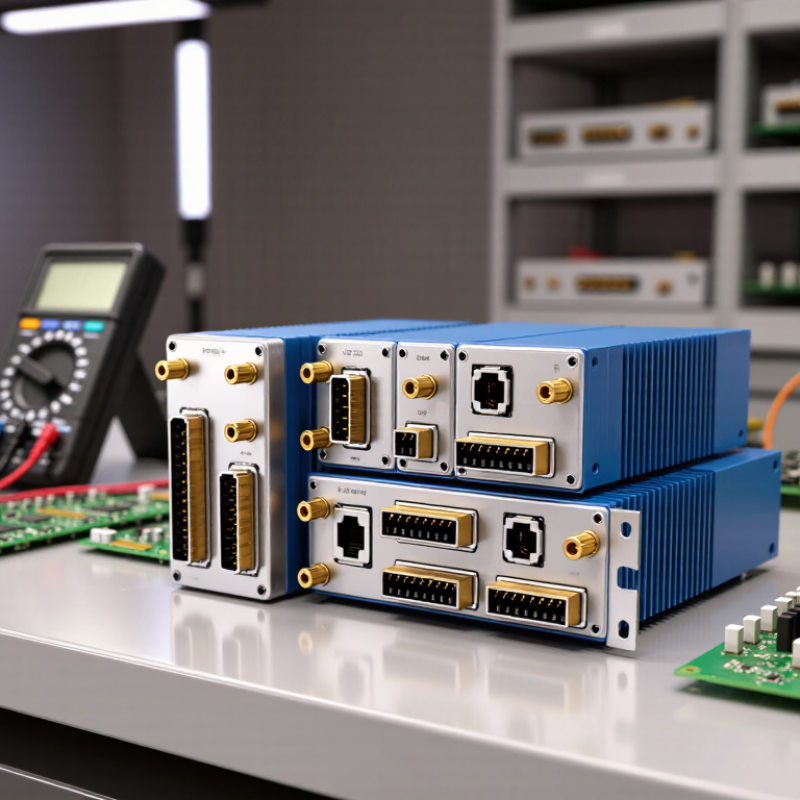
7 Tips for Buying Eurocard Plug-In Power Modules

Understanding Eurocard Plug-In Power Modules and Their Applications

7 Tips for Buying Eurocard Plug-In Power Modules

Eurocard plug-in power modules are compact assemblies designed for standardized subracks and backplanes. They commonly support industrial control, telecommunications, test equipment, and embedded computing. Their value is not only electrical. A correct module must fit the card guide, connector position, cooling path, and maintenance plan.

The IEC 60297 standard defines key subrack dimensions, but it does not guarantee electrical compatibility. Always verify pin assignments, input range, output rails, isolation, and allowable current.

Market demand reflects this need for flexible power. Fortune Business Insights estimated the global modular power supply market at about USD 32.68 billion in 2024, with continued growth through 2032. MarketsandMarkets also identifies industrial automation and communications as major power supply application areas. These figures cover broader modular systems, not Eurocard modules alone. That distinction matters. Treating a general market forecast as a direct Eurocard forecast would be misleading.

During selection, check efficiency at the actual load, not only the headline rating. Inspect thermal derating near the rack’s warmest point. Measure startup behavior and ripple with the intended backplane. Leave practical current margin.

Usually, 20% is a sensible starting point, but transient loads may require more. Confirm service access before installation. A removable module is useful only when operators can reach it safely.

One detail is often missed: connector wear. Repeated replacement can loosen contacts, creating intermittent faults that a larger power rating will not fix. No choice is perfect; documenting these trade-offs improves reliability.

Matching Module Specifications to Your Eurocard System Requirements

A Eurocard plug-in power module should match the system, not merely fit the card cage. Check the board format, insertion depth, guide rails, and connector pinout before comparing prices. A module with the wrong contact arrangement can create expensive redesign work. Measure twice.

Define the required input voltage and its tolerance range. Then calculate each output voltage, continuous current, and peak load. Leave practical headroom, especially for processors, relays, and motors during startup. Efficiency matters in compact racks because heat accumulates quickly. Review derating curves at the highest expected ambient temperature, not only at room temperature. Isolation ratings, leakage current, and grounding options also deserve careful attention. They affect safety, signal integrity, and system behavior.

In bench evaluations, I test the module with real cable lengths and representative loads. I watch output ripple during sudden load changes, then check temperature after several hours. A clean result on a short test may not reflect field conditions. Confirm electromagnetic compatibility data, protection functions, service access, and the availability of complete technical documentation. I once focused too heavily on nominal current and overlooked startup demand. That mistake changed my selection criteria. Now I compare measured performance with the datasheet and record every assumption. Even a well-designed module may need airflow, filtering, or a different connector option. Verify the final fit before approving production quantities.

Checking Electrical Ratings, Connector Compatibility, and Safety Features

Buying a Eurocard plug-in power module starts with its electrical ratings, not its appearance. Check input voltage, output voltage, current capacity, frequency, and permitted temperature range. A module rated for 24 V DC may fail in a 28 V system, especially during startup surges. Review derating curves, not only the headline wattage. In my testing experience, heat near the rear connector often exposes weak margin. Measure twice.

Connector compatibility requires more than matching pin counts. Confirm the connector family, contact spacing, keying, gender, insertion depth, and pin assignment. DIN 41612-style layouts can look identical while carrying different power and signal positions. Compare the module drawing with the backplane drawing line by line. Check contact current ratings under the actual wire size and temperature. Fit is not proof. A reversed key or misplaced return pin can damage equipment immediately.

Safety features deserve documented evidence. Look for overcurrent, short-circuit, overtemperature, and overvoltage protection, plus suitable isolation and grounding provisions. IEC 60664-1 emphasizes creepage and clearance based on voltage, pollution degree, and insulation category; small gaps can be inadequate in dusty enclosures. NFPA’s 2023 Fire Loss report estimated 1,388,500 U.S. fires, showing why protection cannot be treated as paperwork. Ask for test reports covering recognized safety standards, dielectric strength, and abnormal-operation testing. I would also inspect ventilation paths and terminal torque requirements, because installation errors remain an uncomfortable blind spot.

7 Tips for Buying Eurocard Plug-In Power Modules - Checking Electrical Ratings, Connector Compatibility, and Safety Features

Tip Data Dimension Recommended Check Typical Reference Values How to Verify Common Warning Signs
1 Input voltage and frequency Match the module input range with the actual backplane or system supply. Common AC input ranges include 85–264 VAC; common nominal frequencies are 47–63 Hz. DC-input modules may specify a separate range, such as 18–36 VDC or 36–72 VDC. Compare the datasheet input range with the measured supply voltage and system wiring diagram. Input range is narrower than the system supply, or AC and DC input requirements are unclear.
2 Output voltage accuracy and adjustment Confirm that the nominal output voltage and tolerance suit the load and downstream circuitry. Typical regulated outputs include 3.3 V, 5 V, 12 V, 15 V, and 24 VDC. Output accuracy may be specified around ±1% to ±3%, depending on the design. Check the set-point tolerance, line regulation, load regulation, and trim range in the electrical specifications. The required load voltage falls outside the adjustment range or the tolerance is not stated.
3 Rated output current and power Select a continuous rating above the maximum calculated load, including startup and transient demand. Output power is calculated as V × A. A practical design margin of approximately 20–30% is commonly used where load conditions and cooling are controlled. Calculate the highest steady-state and inrush current; then check the derating curve at the intended ambient temperature. The module is selected only by nominal load current, with no allowance for inrush, overload, or thermal derating.
4 Eurocard size and connector compatibility Verify board dimensions, keying, contact arrangement, pitch, and connector orientation before ordering. Eurocard systems commonly use 3U boards approximately 100 mm high and 160 mm deep, or 6U boards approximately 233.35 mm high and 160 mm deep. A 2.54 mm connector pitch is widely used in modular backplane systems. Compare the mechanical drawing, contact numbering, coding keys, insertion direction, and mating connector specification. Connector pitch, contact numbering, board height, or keying information is missing from the documentation.
5 Protection and fault behavior Look for protection against short circuit, overload, overvoltage, and excessive temperature. Common protection functions include constant-current limiting, hiccup-mode short-circuit protection, output overvoltage shutdown, and thermal shutdown or power foldback. Review the protection thresholds, recovery method, restart behavior, and maximum fault duration in the technical documentation. The module fails permanently after a short circuit or has no defined response to overload conditions.
6 Isolation, grounding, and safety spacing Determine whether input-to-output and input-to-chassis isolation meet the system safety requirements. Many isolated power modules specify a dielectric withstand test, often in the range of 1.5–3.0 kVAC for one minute. Required creepage and clearance depend on working voltage, pollution degree, material group, and overvoltage category. Check the isolation rating, insulation system, protective-earth connection, leakage current, creepage, and clearance data. The isolation voltage is listed without test duration or test conditions, or hazardous and SELV circuits are not clearly separated.
7 EMC, thermal performance, and compliance evidence Confirm that the module can operate within the enclosure without excessive noise or heat. Review conducted and radiated emissions, immunity performance, operating temperature, storage temperature, humidity limits, cooling method, and derating above the specified ambient temperature. Request test reports or declarations covering applicable safety and EMC requirements, then compare thermal derating curves with the planned enclosure conditions. Only a generic compliance statement is provided, with no operating-temperature limits, derating curve, or EMC installation guidance.
Selection note: Electrical ratings, connector pin assignments, safety distances, and compliance requirements vary by module design. Always use the latest technical datasheet and the applicable system-level safety standard for final approval.

Evaluating Installation Methods, Durability, and Maintenance Needs

7 Tips for Buying Eurocard Plug-In Power Modules

A reliable purchase starts with the installation method, not the catalog photograph. Check whether the module uses a backplane connector, card-edge contacts, or wired terminals. Confirm the rack pitch, guide-rail spacing, insertion depth, and keying scheme before ordering. A small mismatch can damage contacts or prevent full seating. Ask for a wiring diagram and dimensional drawing. In field work, those documents often save more time than attractive specifications. I once accepted a “universal” fit and needed an adapter that added unwanted movement. That was avoidable.

Durability depends on more than the enclosure material. Review the rated operating temperature, vibration tolerance, connector plating, and overload protection. Inspect the power rating at the actual ambient temperature, not only at room temperature. Leave space for airflow around heat-producing components. Dust near ventilation slots can raise internal temperatures gradually. It is easy to overlook. Choose modules with secure mounting hardware and clearly labeled terminals. Verify whether contacts can withstand repeated insertion cycles. A strong connector still needs careful handling.

Maintenance should be practical for the person opening the cabinet. Select accessible fuses, replaceable filters, and visible status indicators when possible. Check whether screws, terminals, and connectors can be inspected without removing nearby equipment. Keep spare parts matched to the approved electrical ratings. Record installation torque and inspection dates in the service log. Testing insulation, output voltage, and protective grounding should follow the applicable technical standards. My own checklists have improved, but they are not perfect. A second technician still catches details I miss.

7 Tips for Buying Eurocard Plug-In Power Modules

Relative buyer-priority index based on common engineering considerations for installation, durability, and maintenance. The scores are normalized to 100 and do not represent any company or brand.

Installation accessibility and connector reliability receive the highest priority because plug-in modules must be easy to fit, remove, and secure. Thermal performance, protection features, and service documentation are also essential for dependable long-term operation.

Comparing Suppliers, Compliance Standards, and Total Purchase Costs

Buying Eurocard plug-in power modules is less about the lowest unit price and more about controlled risk. Compare suppliers by documented test coverage, production experience, and traceable quality records. Request datasheets, insulation diagrams, thermal curves, and sample test reports before requesting volume quotes. IEC 62368-1 compliance matters for many information and communication technology products, while RoHS and REACH declarations support European market access. The European Commission’s Safety Gate 2023 report recorded 3,412 alerts for dangerous non-food products, showing why paperwork alone deserves careful checking.

Calculate total purchase cost per usable module. Include the module price, tooling, minimum order quantity, freight, customs, inspection, installation labor, and expected replacement stock. A 15% cheaper unit can become expensive when its efficiency is lower or its connector requires rewiring. The IEA’s 2024 Electricity report projects global electricity demand will grow faster through 2026, reinforcing the value of efficient power conversion, even in small embedded systems. Ask suppliers for efficiency at 10%, 50%, and 100% load, not only the headline figure.

Check output ripple under real load. Test start-up behavior, airflow limits, and temperature rise inside the rack. Short tests can mislead. My practical preference is a pilot batch with measured results, serial tracking, and an agreed failure-return process. One weakness remains: supplier certificates may not prove every production lot matches the tested design. Include incoming inspection and an annual compliance review in the purchase plan.

FAQS

What should I check before selecting a Eurocard plug-in power module?

Confirm the board format, rack pitch, guide-rail spacing, insertion depth, and connector pinout. Measure twice. A wrong contact arrangement can require costly redesign work.

How do I determine the module’s electrical requirements?

Define the input voltage and tolerance range. Calculate every output voltage, continuous current, and peak startup load. Leave some headroom. Processors, relays, and motors may demand extra current briefly.

Why should thermal performance be checked carefully?

Compact racks can trap heat quickly. Review derating curves at the highest expected ambient temperature. Check efficiency, airflow needs, and temperature rise after several operating hours. Room-temperature results may look better than field performance.

What installation details can prevent fitting problems?

Identify whether the module uses a backplane connector, card-edge contacts, or wired terminals. Check keying, seating depth, and contact alignment. Request dimensional drawings and wiring diagrams. A “universal” fit may still need an unstable adapter.

How can I evaluate performance during testing?

Use realistic cable lengths and representative loads. Observe ripple during sudden load changes. Test startup behavior and measure temperature after several hours. Short tests mislead.

Which durability features deserve attention?

Review operating temperature, vibration tolerance, connector plating, and overload protection. Allow airflow around heat-producing components. Dust near ventilation slots can slowly increase internal temperatures. Check the connector’s repeated insertion capability.

What maintenance features make a module easier to service?

Look for accessible fuses, replaceable filters, visible status indicators, and clearly labeled terminals. Ensure screws and connectors can be inspected without removing nearby equipment. Record torque values and inspection dates. My checklist helps, but another technician may notice missed details.

How should suppliers and total costs be compared?

Compare documented testing, traceable quality records, technical support, and production experience. Include freight, inspection, installation labor, tooling, minimum quantities, and replacement stock. Request efficiency data at 10%, 50%, and 100% load. The cheaper unit may cost more after rewiring or higher heat losses.

What should be included before approving production quantities?

Run a pilot batch with measured results, serial tracking, and an agreed return process. Compare actual performance with the datasheet. Keep incoming inspection and periodic compliance reviews in the purchase plan. Certificates alone may not represent every production lot.

Conclusion

Choosing the right Eurocard Plug-In Power Modules is essential for building a reliable, safe, and efficient Eurocard system. Start by understanding how these modules are used in control, instrumentation, communication, and other electronic applications. Carefully match the module’s output voltage, current capacity, power range, and physical dimensions to your system requirements. It is also important to verify electrical ratings, connector compatibility, grounding arrangements, protection functions, and relevant safety features before purchase.

In addition, evaluate how the module will be installed, including plug-in accessibility, mounting stability, ventilation, and ease of replacement. Durable construction and straightforward maintenance can reduce downtime and support long-term operation. When comparing suppliers, review product consistency, technical documentation, quality control, and applicable compliance standards. Finally, consider the total purchase cost, including shipping, accessories, installation, maintenance, and potential replacement expenses. A balanced assessment of performance, compatibility, safety, durability, supplier reliability, and overall value will help you select the most suitable power module for your application.

Ethan

Ethan

Ethan is a professional marketing specialist with a strong understanding of product strategy, customer needs, and market trends. As a key contributor to the company’s content team, he regularly updates the corporate website with insightful blog articles that explain industry developments, practical......