
+1-613-836-3511 [email protected] Ottawa, Ontario, Canada
Engineering Support +1-613-836-3511
Request a Quote
0%

Choosing the right fully encapsulated DC-DC converter requires more than comparing voltage ranges and prices. In demanding vehicles, communication cabinets, industrial controls, and outdoor equipment, small specification gaps can create expensive failures. This guide presents five practical tips for evaluating Fully Encapsulated Heavy-Duty DC-DC Converters before purchase. The focus stays on evidence, application fit, and long-term reliability.

Start with the actual electrical environment. Confirm input voltage variation, output regulation, power demand, isolation rating, and transient protection. A converter rated for 24 volts may not tolerate the spikes found in engines, batteries, or long cable runs. Details matter. Check continuous power, not only the attractive peak rating. Ask whether testing covered cold starts, reverse polarity, short circuits, and load changes. These details should appear in reliable technical documents.

Thermal behavior deserves equal attention. A sealed enclosure protects against moisture, dust, vibration, and contamination, but it can also trap heat. Review derating curves, mounting guidance, operating temperature, and cooling requirements. Heat wins. Verify electromagnetic compatibility with the surrounding system, especially near radios, sensors, and controllers. Supplier credibility also matters; request test reports, traceable quality procedures, warranty terms, and realistic delivery information. A polished datasheet is not proof of field performance. In practice, buyers sometimes overlook connector quality or installation space. That is a useful weakness to admit and correct. The best decision comes from matching verified performance to real operating conditions, then leaving room for uncertainty, maintenance, and future load changes.
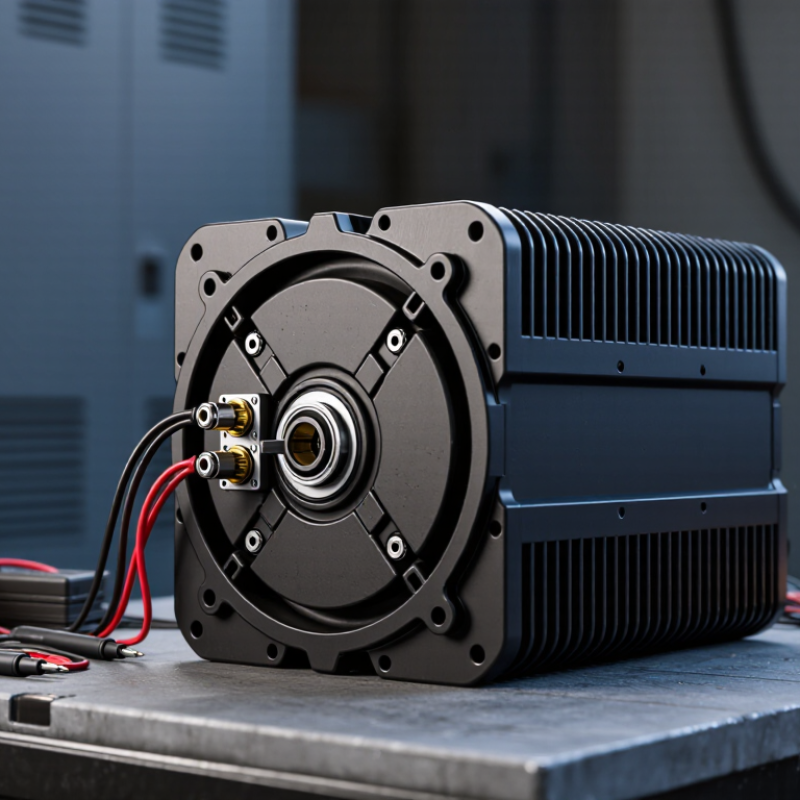
5 Tips for Buying Fully Encapsulated DC DC Converters

Define Fully Encapsulated DC-DC Converters and Their Main Applications

Fully encapsulated DC-DC converters are power modules sealed inside resin or another protective compound. This enclosure covers the circuit, transformer, and connection points. It blocks moisture, dust, vibration, and accidental contact. The converter still changes one DC voltage into another, often with electrical isolation between input and output.

Their applications are broad. Industrial sensors use them inside humid control cabinets. Battery systems need stable auxiliary power for monitoring circuits. They also support robotics, transportation equipment, communication hardware, and outdoor instruments. In a factory, a sealed converter can survive oil mist and repeated vibration better than an exposed circuit board. However, encapsulation does not solve every problem. Heat may remain trapped inside the resin.

Buyers should check the input range, output accuracy, isolation rating, efficiency, and operating temperature. Derating data matters when airflow is limited. Mechanical size and mounting method deserve attention too. A converter rated for 85°C may perform poorly inside a warm enclosure. Review the protection features, including short-circuit, overload, and over-temperature behavior. Do not rely only on a high efficiency number. Real installation conditions can change it. A careful trial with the actual load, wiring, and enclosure often reveals weaknesses that a datasheet misses.

Identify Voltage, Current, Power, and Efficiency Requirements

5 Tips for Buying Fully Encapsulated DC DC Converters

Identify Voltage, Current, Power, and Efficiency Requirements

Start with the actual input-voltage range, not the nominal battery or supply rating. A 24-volt system may experience 21 to 29 volts during operation. Check whether the converter accepts this complete range without unstable switching or shutdown.

Measure the load’s continuous current and its brief startup demand. Motors, valves, and processors can draw several times their normal current. Select output current with practical headroom, rather than operating continuously at the stated limit. I usually allow 20 to 30 percent spare capacity, although harsh temperatures may require more. A tidy calculation can still be wrong if the load profile is incomplete.

Calculate power using output voltage multiplied by output current. Then compare it with the converter’s rated power at the expected ambient temperature. Encapsulation improves protection against moisture, dust, and vibration, but it does not remove heat. Mounting space matters. A sealed converter inside a crowded enclosure may run hotter than its laboratory rating.

Efficiency deserves careful checking. At 90 percent efficiency, a 100-watt load creates about 11 watts of heat inside the converter. That heat needs a path through the case, mounting surface, or airflow. Review efficiency curves at your specific input voltage and load, not only the best figure on a datasheet. Test the unit with the real cable length and switching load. I have seen acceptable bench results change after installation. Small details matter.

Compare Isolation, Encapsulation Materials, and Environmental Protection

5 Tips for Buying Fully Encapsulated DC DC Converters

Isolation is more than a headline specification. Check the rated isolation voltage, working voltage, and test duration separately. A 3 kV dielectric test does not always mean 3 kV continuous operation. For medical, industrial, or battery systems, review creepage and clearance values under IEC 60664. According to MarketsandMarkets’ 2024 DC-DC converter report, the global market may grow from about $10.7 billion in 2024 to $17.5 billion by 2029. That growth increases choice, but not necessarily quality.

Encapsulation material controls heat, moisture resistance, and long-term mechanical stability. Epoxy usually provides strong rigidity and chemical resistance. Silicone remains more flexible during vibration and thermal cycling. Polyurethane can offer a useful balance, but its performance depends heavily on formulation. Ask for thermal conductivity, glass-transition temperature, and water-absorption data. Do not accept “fully sealed” as proof. Test evidence matters.

Environmental protection needs practical checking. Look for a verified IP rating under IEC 60529, not only a marketing description. Consider salt mist, condensation, dust, vibration, and repeated temperature changes. A 2023 reliability survey from the International Energy Agency reported that extreme weather is increasingly affecting energy infrastructure, making thermal and moisture margins more important. Still, higher protection can reduce heat dissipation. This trade-off is easy to miss. Leave airflow around the converter, inspect the potting surface, and request derating curves at the actual ambient temperature. Some specifications remain incomplete. That should influence your purchasing decision.

5 Tips for Buying Fully Encapsulated DC-DC Converters

Compare isolation capability, encapsulation materials, and environmental protection before selecting a fully encapsulated DC-DC converter.

How to Read the Chart

Epoxy compounds typically provide strong mechanical protection and good dielectric performance, but they are rigid and may experience stress during thermal cycling. Silicone generally offers the widest continuous temperature capability and better flexibility, while polyurethane provides a balanced combination of moisture resistance, flexibility, and insulation. The values shown are representative engineering ranges; actual performance depends on the formulation, converter construction, creepage and clearance design, and test method.

For environmental protection, also verify the converter’s certified IP rating, operating humidity range, vibration resistance, thermal-cycling results, and isolation test voltage. Encapsulation alone does not define the complete environmental protection level.

Evaluate Thermal Performance, Safety Certifications, and Electrical Reliability

5 Tips for Buying Fully Encapsulated DC DC Converters

Thermal performance deserves practical testing, not just attractive datasheet numbers. Check the converter’s operating temperature, efficiency, and derating curve under your actual load. A sealed enclosure can trap heat around the module. Measure the case temperature after several hours, especially near nearby batteries, motors, or power resistors. Small thermal margins matter. In my bench tests, airflow changes of only a few centimeters affected temperature noticeably.

Safety certifications should match the installation region and application category. Review isolation voltage, creepage, clearance, and flammability ratings. Verify whether certification covers the complete converter or only selected components. A familiar approval mark is not enough. Request current certificates and test reports from the supplier. Documentation gaps deserve attention. Requirements can differ between industrial, medical, transport, and outdoor equipment.

Electrical reliability depends on more than input and output voltage. Examine ripple, transient response, short-circuit behavior, reverse-polarity protection, and start-up performance. Confirm the converter remains stable during input surges and sudden load changes. Use realistic cables and connectors during evaluation. I also compare samples from different production batches when possible. One unit can perform perfectly. Another may reveal variation. Check long-term isolation resistance, solder quality, and vibration tolerance if the equipment moves. Do not rely on predicted service life alone; assumptions about temperature and load may be too optimistic.

Verify Manufacturer Quality, Compatibility, Warranty, and Total Cost

When buying fully encapsulated DC DC converters, manufacturer quality deserves close inspection. Look for stable production records, clear traceability, and documented electrical testing. Ask whether each batch receives insulation, thermal, and load testing.

A sealed case can hide weak solder joints or uneven potting. Request sample test reports and confirm the stated operating temperature. Do not rely on appearance alone. Looks professional. Check input range, output voltage, isolation rating, pin configuration, ripple, and peak load behavior. Your converter must match the system, not just the nominal voltage. Verify derating at high temperatures and test startup with the actual battery, cable, and load. Datasheets can be optimistic. Real wiring often exposes problems.

Warranty terms reveal how seriously a supplier supports its products. Confirm coverage length, replacement procedures, exclusions, and technical response times. Keep records of serial numbers and purchase dates. Then calculate total cost, including filtering, cooling, connectors, testing, shipping, and possible rework. A low unit price may become expensive after one field failure. In practical engineering work, the overlooked cost is often redesign time. I would also buy a small evaluation quantity before committing to production. That approach is slower, but it can expose compatibility issues early. No checklist is perfect. Review the assumptions after testing.

FAQS

What isolation details should I check before buying an encapsulated DC-DC converter?

Check rated isolation voltage, working voltage, and test duration separately. A 3 kV test does not prove continuous 3 kV operation. Review creepage and clearance for your system. Ask for test reports, not only headline values.

Which encapsulation material is most suitable?

Epoxy offers rigidity and chemical resistance. Silicone stays flexible during vibration and thermal cycling. Polyurethane can balance both properties. Ask for thermal conductivity, glass-transition temperature, and water-absorption data. Material names alone are insufficient.

Does a sealed converter automatically resist moisture and dust?

No. Request a verified IP rating under IEC 60529. Also consider condensation, salt mist, dust, vibration, and temperature changes. Looks sealed. That proves little. Inspect the potting surface for cracks or gaps.

Can stronger environmental protection create thermal problems?

Yes. More sealing can reduce heat dissipation. Measure case temperature after several operating hours. Leave airflow around the converter. Check derating curves at the actual ambient temperature. I may underestimate airflow effects without testing.

How should I evaluate thermal performance?

Test the converter under your real load and wiring. Record efficiency, output stability, and case temperature. Measure near batteries, motors, and power resistors. Small thermal margins matter. A few centimeters of airflow can change results.

What safety documents should I request?

Request current certificates and complete test reports. Confirm coverage for the entire converter, not selected components. Review isolation, creepage, clearance, and flammability ratings. Requirements may differ between industrial, medical, transport, and outdoor equipment.

Which electrical behaviors deserve practical testing?

Test ripple, transient response, short-circuit behavior, reverse-polarity protection, and startup performance. Apply input surges and sudden load changes. Use the actual battery, cables, connectors, and load. Real wiring can expose hidden instability.

How can I judge supplier quality and total cost?

Look for production traceability and documented batch testing. Ask about insulation, thermal, and load tests. Check warranty length, exclusions, replacement procedures, and response times. Include cooling, filtering, connectors, shipping, testing, and redesign work. Buy a small evaluation quantity first. It is slower, but safer.

Conclusion

Choosing the right Fully Encapsulated Heavy-Duty DC-DC Converters begins with understanding their role: these sealed power devices convert one DC voltage to another while protecting internal components from moisture, dust, vibration, and chemical exposure. Start by defining the application and confirming the required input and output voltage ranges, continuous and peak current, total power, and efficiency targets. These factors help ensure stable operation without overloading the converter.

Next, compare galvanic isolation options, encapsulation materials, ingress protection, and suitability for the intended operating environment. Thermal performance is equally important, so review heat dissipation, derating curves, operating temperature limits, and overload or short-circuit protection. Check relevant safety and electromagnetic compatibility certifications, insulation ratings, and long-term electrical reliability. Finally, assess the manufacturer’s quality controls, testing procedures, product compatibility, warranty terms, technical support, availability, and total ownership cost. A careful evaluation of these areas will help you select a dependable converter that delivers consistent performance and reduces maintenance risks.

Clara

Clara

Clara is a dedicated marketing professional with a strong understanding of the company’s products, customers, and evolving market needs. Through years of experience in content strategy, customer communication, and product education, she transforms complex information into clear, practical, and......