
Engineering Support +1-613-836-3511
Recommended power conditioning systems, heavy-duty automatic voltage regulators (AVRs), and hybrid inverter-stabilizer systems tailored for high-ambient, surge-prone Nigerian commercial and industrial applications.
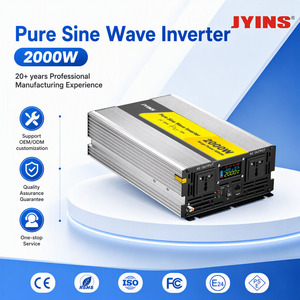
Wide DC input range (12V/24V/48V) to 110V/220V/230V AC output with precision voltage regulation. Ideal for sensitive telecommunications, medical equipment, and residential loads in Nigeria experiencing severe voltage sags.
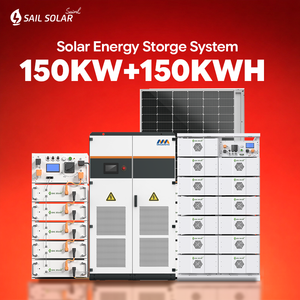
Industrial-scale hybrid power management system engineered for commercial peak shaving, industrial voltage stabilization, and seamless generator-grid-solar integration in Nigerian manufacturing hubs.
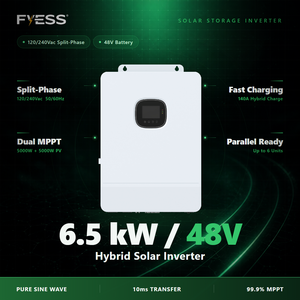
Designed for dual-phase voltage output (120V/240V), providing active grid voltage filtering, battery charging management, and instant power switching during sudden brownouts.
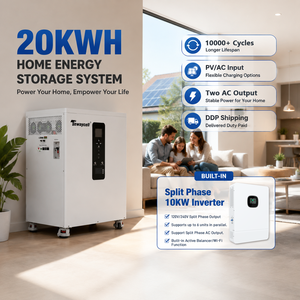
Heavy-duty mobile energy storage and voltage regulation containerized system. Features DDP delivery readiness, split-phase output, and robust surge absorption for remote site ops in Nigeria.
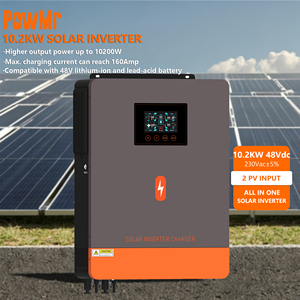
High-output 48Vdc to 220V/230Vac voltage regulating inverter equipped with ultra-fast dynamic voltage correction, guarding heavy inductive motor loads against phase imbalance.
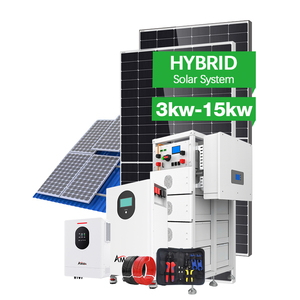
Complete residential and commercial power system featuring N-Type monocrystalline technology integrated with a silent hybrid inverter/stabilizer for continuous uninterrupted supply.
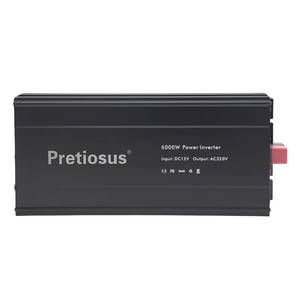
Multi-input voltage regulator and high-capacity battery charger unit (12V/24V/48V to 100V-240V). Built with heavy-duty copper transformers to withstand high ambient heat and line noise.
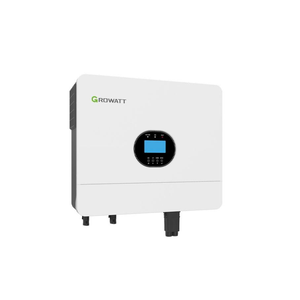
Industrial power conditioning solution optimized for off-grid and weak-grid environments. Features advanced MPPT control, dynamic voltage clipping, and high overload capability.
Operating industrial machinery, commercial data hubs, medical infrastructure, or telecommunications infrastructure within the Nigerian power landscape requires sophisticated power quality management. The Nigerian National Grid (operated by the Transmission Company of Nigeria - TCN) experiences frequent frequency deviations (dropping below 48.5 Hz or spiking above 51.5 Hz), extreme voltage drops down to 130V on nominal 230V single-phase lines, and severe transient voltage surges caused by rapid grid collapses and automatic diesel generator transfer switching.
When selecting a voltage regulator supplier for the Nigeria market, procurement officers and senior electrical engineers must look beyond simple domestic servo-motor stabilizers. Industrial operations in industrial zones such as Ikeja (Lagos), Agbara (Ogun), Port Harcourt (Rivers), and Kano demand industrial-grade Automatic Voltage Regulators (AVR), Static Voltage Regulators (SVR), and magnetic voltage conditioners capable of handling severe total harmonic distortion (THD), continuous thermal stress up to +50°C, and heavy dust accumulation.
Information Gain Insight: Standard commercial off-the-shelf stabilizers utilize mechanical relay-switching or standard servo brushes that wear down rapidly when subjected to Nigeria's 30–50 voltage fluctuation cycles per hour. High-reliability applications require static electronic tap-changing AVRs or ferroresonant transformer topologies with solid-state SCR (Silicon Controlled Rectifier) switching to ensure microsecond-level correction response times without mechanical wear.
Without robust voltage stabilization equipment, facilities operating in Nigeria encounter specific equipment degradation modes:
To assist procurement managers, facility directors, and OEM engineering specifiers in evaluating equipment, the following evaluation matrix compares leading global and regional voltage regulation suppliers based on input voltage window width, dynamic response speed, thermal durability in tropical climates, and technical support availability in Nigeria.
| Supplier / Manufacturer | Technology Architecture | Input Voltage Tolerance Window | Response Speed | Nigerian Market Suitability & Application |
|---|---|---|---|---|
| ABSOPULSE Electronics (OEM Partner) | Solid-State / High-Freq PWM & Encapsulated SVR | Ultra-Wide (90V – 300V AC / Custom DC) | < 2 milliseconds | Industrial & Mission-Critical: Mining, subsea, railway, telecommunications, harsh outdoor industrial sites. Extreme longevity (up to 30 years). |
| APC by Schneider Electric | Line-Interactive & Double-Conversion Online AVR | 160V – 286V AC | 4 – 8 milliseconds | Enterprise IT & Commercial: Server rooms, office networks, light commercial electronics. Wide regional distributor footprint. |
| Prag Electricity Technologies | Servo-Motor & Relay-Type Automatic Voltage Stabilizer | 100V – 260V AC | < 1 second (Servo) | Domestic & Small Business: Widely distributed in Lagos and Abuja for residential appliances, small office AC units, and shops. |
| Eaton Corporation | Static Stepless & Industrial Magnetic Voltage Regulator | 140V – 300V AC | < 10 milliseconds | Heavy Industrial Infrastructure: Oil & gas terminals, healthcare institutions, process control. High reliability. |
| Blue Gate Power Solutions | Digital Relay Tap-Changing & Servo AVR | 110V – 270V AC | < 0.5 seconds | Commercial & General Market: Cost-effective voltage stabilization for medium-scale commercial premises across West Africa. |
| Ortea Next Power Quality | Magnetic Induction & Microprocessor Servo Regulator | ±15% to ±30% (Selectable) | 12ms to 20ms / volt | Heavy Utility & Manufacturing: High kVA industrial voltage stabilizers deployed in large factories and industrial estates. |
| PowMr Energy Technologies | High-Power Pure Sine Wave Hybrid Regulation | 170V – 280V AC | < 10 milliseconds | Solar-Hybrid Microgrids: Residential and commercial solar hybrid systems requiring integrated voltage smoothing. |
| Growatt Power Systems | Solid-State Off-Grid Inverter-Regulator | 150V – 280V AC | < 10 milliseconds | Distributed Renewable Sites: Commercial solar energy storage systems with automatic grid-voltage clamping. |
| Sollatek Electronics | Electronic Voltage Switchers & Suppressors (AVS) | 140V – 290V AC | < 15 milliseconds | FMCG & Cold Chain Storage: Protecting refrigeration equipment, air conditioners, and compressors from brownouts. |
| Claude Lyons / Power-Matic | Toroidal Servo & Ferroresonant Stabilizers | ±15% Standard (Custom to 40%) | < 0.05 seconds | Broadcast & Telecommunications: Precision high-voltage regulation for transmitter sites and telecom equipment. |
Voltage regulation requirements vary significantly depending on the geographical location and operational nature of the facility in Nigeria. Standard off-the-shelf regulators frequently fail due to uncalibrated internal parameters that do not account for local environmental stressors.
Over 30,000 cell towers across Nigeria (operated by IHS Towers, ATC, MTN, Airtel) rely on remote off-grid or weak-grid power solutions. High-frequency solid-state voltage regulators and wide-input DC-DC converters are critical to protect sensitive base transceiver stations (BTS) from generator switching spikes and lightning-induced surges during the rainy season.
In manufacturing hubs like the Agbara Industrial Estate or Ikeja Industrial Zone, heavy machinery causes localized voltage dips when large motors start up. Solid-state dynamic voltage restorers (DVR) and three-phase static voltage regulators prevent automated assembly line resets, plastic extrusion defects, and expensive machine downtime.
In Port Harcourt, Warri, and offshore Niger Delta oil rigs, power conditioning systems must survive salt-fog corrosion, high humidity, and continuous mechanical vibration. IP66-sealed, fully encapsulated power conversion units and ruggedized voltage regulators engineered to Canadian military-grade specs are required.
The Nigerian power quality market is undergoing a rapid technological transformation driven by economic forces, energy cost inflation, and the massive adoption of decentralized renewable energy systems.
Historically, Nigerian businesses relied heavily on servo-motor driven stabilizers. However, because servo stabilizers rely on mechanical carbon brushes moving across a transformer coil, their slow response time (0.5 to 2 seconds) permits transient voltage surges to pass through to connected equipment before correction occurs. Industrial buyers are now shifting toward Static Electronic Voltage Regulators (SVR) utilizing SCRs or IGBTs, delivering correction speeds under 2 milliseconds with zero moving parts.
Due to diesel price deregulation in Nigeria, commercial enterprises are aggressively integrating high-capacity hybrid solar inverters (such as 10kW to 250kW systems) paired with LiFePO4 battery banks. These hybrid systems serve a dual function: they regulate wide grid voltage variations during grid availability and instantly bridge power gaps without voltage interruption during total grid collapse.
Northern Nigerian regions (such as Kano, Kaduna, and Maiduguri) experience ambient shade temperatures exceeding +42°C inside power enclosures. Standard commercial regulators designed for European (+25°C) ambient limits suffer automatic thermal shutdown or premature capacitor degradation. Industrial engineers now mandate units engineered with conservative thermal component derating, elimination of optocouplers in feedback loops, and advanced convection heatsink designs.
With over 40 years of specialized power conversion design (established 1982 in Ottawa, Canada), our engineering capabilities provide custom and semi-custom power supplies, chargers, and voltage regulators built for environments where standard power supplies fail.
Our long-life topologies eliminate optocouplers from feedback loops, utilize conservatively rated industrial components, and maximize thermal dissipation, ensuring continuous operation in high-heat Nigerian environments.
We modify input/output voltages, mechanical dimensions, mounting options, connector interfaces, and protection parameters to match exact OEM project specifications without long development delays.
Available in IP66-rated die-cast aluminum enclosures or fully potted encapsulated builds, completely shielding power electronics from conductive metallic dust, humidity, oil, salt, and insects.
For industrial applications in Nigeria, standard ±15% input regulators are insufficient. Procurement officers should specify wide-input units accepting single-phase inputs from 90V to 300V AC (or three-phase inputs from 220V to 480V AC). This ensures the regulator maintains a stable 220V/230V or 380V/400V nominal output during extreme grid sags without constantly shutting down or dropping the load.
Servo-motor stabilizers rely on mechanical gears and carbon brushes to adjust secondary transformer windings. While cost-effective for domestic use, their response time (500ms to 2000ms) is too slow to protect CNC machines, medical scanners, and automated PLCs from rapid grid spikes. Static electronic regulators (SVRs) utilize SCR or IGBT switching to adjust voltage in under 2 milliseconds with zero mechanical components, eliminating wear-and-tear maintenance.
Yes. Captive diesel generators in Nigeria frequently exhibit frequency hunting (dropping between 47Hz and 53Hz under sudden load shifts). Our power conditioning platforms incorporate wide frequency acceptance windows (45Hz – 65Hz) and Active Power Factor Correction (PFC), preventing generator tripping and eliminating current harmonics.
To receive an accurate engineering recommendation, please provide your target nominal input and output voltage levels, peak load current (in Amperes or kVA/kW), expected ambient operating temperature, preferred cooling method (convection, conduction, or fan-cooled), ingress protection level (e.g., IP54 vs IP66), and any industry-specific standards compliance needed.
We work directly with original equipment manufacturers (OEMs), engineering consultants, system integrators, and industrial procurement buyers worldwide. Products engineered at our Ottawa, Canada headquarters are shipped via international express freight or DDP (Delivered Duty Paid) arrangements to major Nigerian hubs (Lagos Port, Port Harcourt, Nnamdi Azikiwe International Airport Abuja) with full technical support directly from our design team.
Speak directly with our senior application engineers to specify heavy-duty industrial AVRs, DC-DC converters, or hybrid inverter-stabilizer systems built to survive the world's most demanding electrical environments.