
Engineering Support +1-613-836-3511
Explore our engineered line of heavy-duty battery chargers, sine wave inverters, and high-efficiency hybrid energy storage platforms built for industrial, utility, and off-grid resilience.
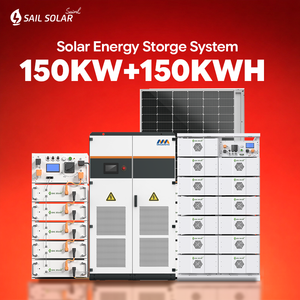
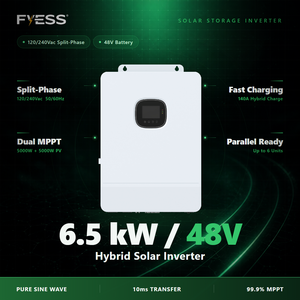
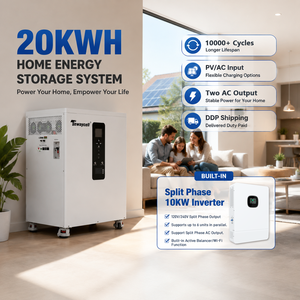
Industrial battery chargers serve as the vital backbone for critical DC backup networks, utility substations, remote telecom towers, underground mining vehicles, and rail transportation across Canada. Modern Canadian industrial infrastructure demands high-efficiency switch-mode power conversion, high power density, active power factor correction (PFC), and seamless integration with emerging battery chemistries including Lithium Iron Phosphate (LiFePO4), Valve-Regulated Lead-Acid (VRLA), and Nickel-Cadmium (NiCd).
Information Gain Benchmark: Standard commercial battery chargers frequently fail in Canadian sub-zero environments (-40°C) due to inadequate thermal management, electrolyte freezing, and optical feedback degradation. Industrial-grade OEM chargers utilize zero-optocoupler topologies and conduction-cooled cast enclosures to guarantee continuous 30-year operational reliability.
When engineering DC power plants for locations ranging from Northern Ontario’s mining belt to offshore maritime facilities in Atlantic Canada, industrial power designers must ensure compliance with stringent safety standards such as CSA C22.2 No. 107.1 and UL 1741. Our Ottawa-manufactured battery chargers feature heavy-duty galvanically isolated switch-mode power supply (SMPS) topologies engineered to mitigate voltage surges, ripple currents, and severe electrical noise typical of remote generator grids and utility switchyards.
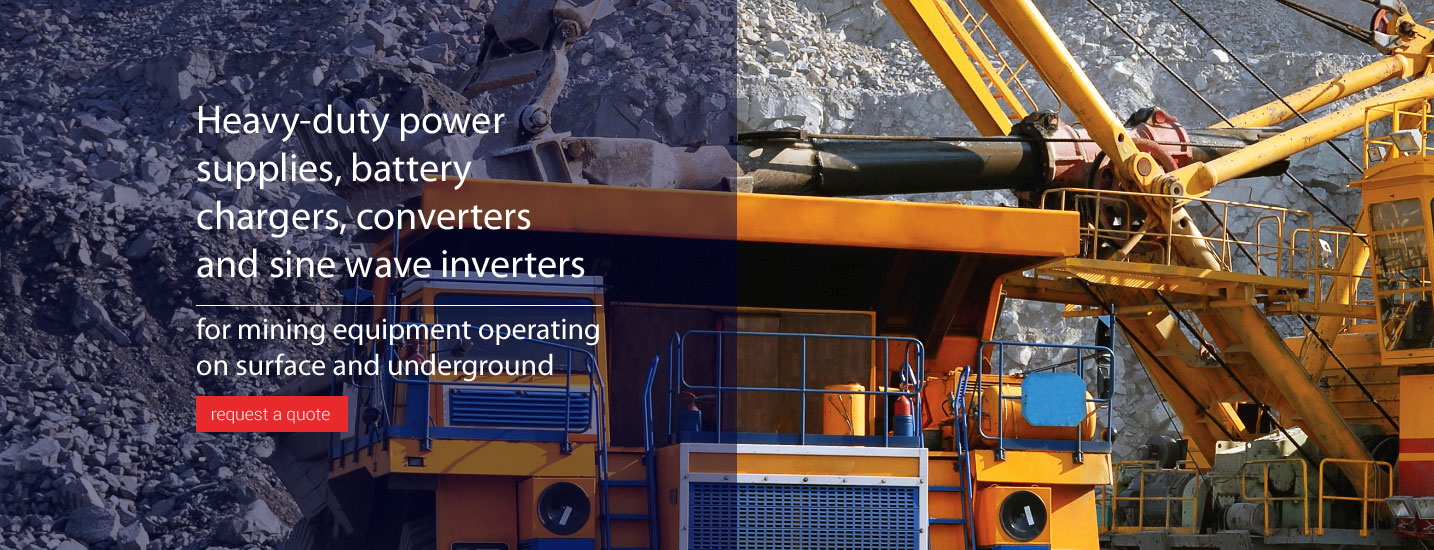
Comparing advanced high-frequency switch-mode charging technology with legacy thyristor/SCR rectifiers in demanding industrial environments.
Equipped with active PFC circuits (PF > 0.98), our industrial battery chargers reduce total harmonic distortion (THD), minimize neutral line loading, and optimize energy efficiency in compliance with IEEE 519 standards across Canadian electrical networks.
By eliminating optocouplers—the primary failure point in traditional switch-mode power supplies operating in elevated temperatures—our long-life design architecture delivers an operating lifespan of up to 30 years in harsh industrial settings.
Fully encapsulated potted modules and gasketed die-cast aluminum enclosures shield internal power electronics against conductive dust, moisture, salt fog, mine water washdown, and corrosive chemicals down to -40°C ambient temperatures.
Autonomous multi-stage charging curves (Bulk, Absorption, Float, Equalize) feature automatic temperature compensation (-3mV/°C/cell) to prevent thermal runaway and extend battery life across varying seasonal weather conditions.
Modular 19-inch and 23-inch rack-mount battery charger systems incorporate internal decoupling diodes for N+1 or N+2 parallel operation, enabling zero-down-time maintenance in mission-critical telecommunication and utility centers.
Designed for universal AC inputs (95Vac to 264Vac single-phase, 208/400/480Vac 3-phase) or custom wide DC bus inputs (48Vdc, 110Vdc, 125Vdc, 250Vdc), accommodating unstable rural feeders and microgrid installations.
Engineered for harsh operating environments, heavy mining loads, power utility substations, and extreme northern climates.
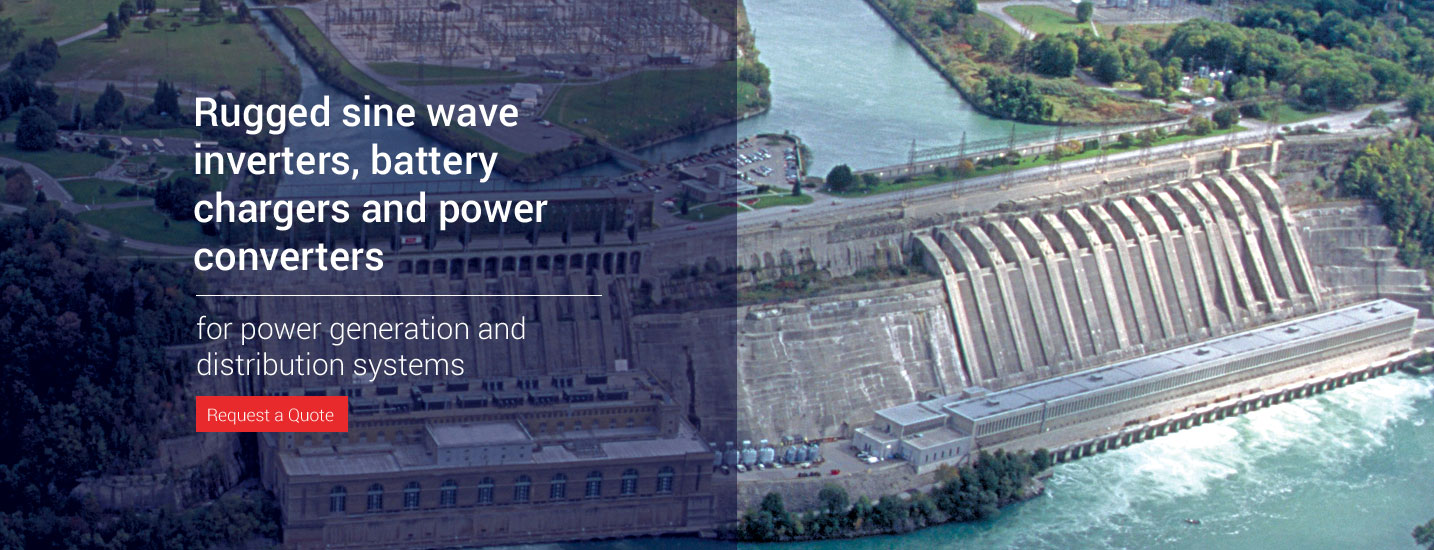
In electrical distribution substations across Hydro-Québec, BC Hydro, and Hydro One networks, continuous 125VDC and 250VDC switchgear tripping power is critical. Industrial battery chargers serve as station rectifiers, supplying steady DC load current while float-charging stationary battery banks (VRLA or flooded lead-acid). In the event of an AC mains failure, the battery bank instantly sustains circuit breaker operations and SCADA telemetry without transfer interruption.
Underground hard-rock mining sites in Sudbury, Timmins, and Val-d'Or require flameproof, washdown-rated power equipment. Fully encapsulated IP66 battery chargers provide safe, explosion-resistant charging for battery-electric mining vehicles (BEVs), haulage equipment, and underground emergency lighting shelters exposed to heavy dust, corrosive mineral vapors, and high ambient humidity.
Canadian municipal transit networks (TTC, STM, TransLink) and freight rail operators require heavy-duty onboard battery chargers to feed 24V, 48V, or 110V auxiliary battery buses. Engineered to withstand constant shock and vibration (IEC 61373), our railway-certified chargers keep locomotive engine starting circuits, door control systems, and emergency brakes operational in freezing winter conditions.
Off-grid microwave repeater towers and satellite earth stations across Northern Canada depend on solar-hybrid battery chargers. Integrated low-voltage disconnects (LVD), remote SNMP/MODBUS monitoring, and wide operating temperature ratings (-40°C to +70°C) ensure uninterrupted remote connectivity when main grid power is unavailable.
Comprehensive engineering overview of standard and semi-custom industrial battery charger design envelopes manufactured in Ottawa, Ontario.
| Parameter / Feature | Utility & Substation Series | Mining & Heavy Industrial Series | Railway & Transit Series | Marine & Offshore IP66 Series |
|---|---|---|---|---|
| Nominal Output DC Voltage | 24V, 48V, 110V, 125V, 250Vdc | 12V, 24V, 48V, 125Vdc | 24V, 36V, 72V, 110Vdc | 12V, 24V, 48V, 125Vdc |
| Output Power Range | 500W to over 10kW (Parallelable) | 250W to 5kW single units | 100W to 3.5kW modules | 100W to 1.5kW per module |
| Input AC/DC Voltages | 120/230Vac, 3-Phase 400/480Vac | 95-264Vac Universal or wide DC | 110Vdc rail bus or 120Vac input | 115/230Vac, 50/60/400Hz |
| Supported Chemistries | VRLA, Flooded Lead-Acid, NiCd | LiFePO4, VRLA, Sealed Lead-Acid | NiCd, VRLA, Lithium Ion | Gel Cell, VRLA, LiFePO4 |
| Efficiency (Typical) | 88% to 94% at full load | 86% to 92% convection cooled | 89% to 93% high frequency | 87% to 91% encapsulated |
| Cooling Methodology | Convection / Heatsink Assembly | Conduction Baseplate / Convection | Convection / Fan-assisted filter | Pure Conduction via Sealed Case |
| Isolation Voltage | 3000Vdc Input to Output | 2250Vdc Input to Ground | 3000Vac Input to Output | 3000Vdc Input to Case |
| Compliance Standards | CSA C22.2 No. 107.1, IEEE 485 | IP66 / NEMA 4X Ingress, UL 60950 | EN 50155, AREMA, IEC 61373 | DNV-GL guidelines, ABS Marine |
Direct technical answers addressing system sizing, environmental ratings, custom voltage matching, and Canadian regulatory compliance.
Standard commercial battery chargers rely on low-cost consumer components, plastic housings, and optocoupler feedback loops designed for light duty cycles in controlled indoor settings. Industrial battery chargers utilize heavy-duty metal chassis (or IP66 die-cast aluminum), derated long-life components, high galvanic isolation (>3000Vdc), wide temperature operational ranges (-40°C to +70°C), thermal compensation, and zero-optocoupler topologies that deliver a target operating life of up to 30 years under severe industrial electrical stress.
Yes. Custom and semi-custom engineering is our primary discipline. Since 1982, our engineering team in Ottawa has delivered thousands of custom power designs matching non-standard inputs (such as 600Vac 3-phase, 250Vdc mining buses, or fluctuating 72Vdc rail systems) to specialized battery output rails with exact current-limiting, voltage regulation, and custom mechanical footprints.
In freezing ambient temperatures, battery internal resistance increases, requiring a higher float voltage to achieve full charge. Conversely, overcharging in warm weather causes thermal runaway. ABSOPULSE industrial chargers integrate external or internal remote temperature sensors that dynamically adjust the float voltage (typically at -3mV/°C/cell for lead-acid or customized profiles for lithium chemistries), protecting battery lifespan year-round.
Yes. Our IP66-rated die-cast aluminum power supply assemblies are completely sealed against dust, airborne particles, metal filings, salt fog, high-pressure water washdown, and chemical sprays. Heat is dissipated through external cooling fins or conduction baseplates, eliminating the need for internal cooling fans that ingest airborne contaminants.
All ABSOPULSE products are designed, prototyped, tested, and manufactured in our purpose-built 80,000 square foot facility located at 110 Walgreen Rd., Ottawa, Ontario, Canada. Having R&D, magnetic component winding, surface-mount assembly, potting, and burn-in testing under one roof guarantees strict quality control and full product traceability.
ABSOPULSE Electronics Ltd. is an original equipment manufacturer (OEM) specializing in heavy-duty switch-mode power conversion. For over four decades, our Ottawa engineering team has solved severe power conversion challenges for clients across North America and worldwide.
By retaining full control over design, prototyping, transformer winding, assembly, conformal coating, thermal testing, and high-voltage burn-in within our 80,000 sq ft facility, we deliver consistent build quality, complete component traceability, and long-term product lifecycle support for 20+ years after deployment.
Consult directly with our Ottawa power electronics engineering team. Send us your electrical parameters, environmental constraints, and target specifications for a prompt engineering assessment and proposal.
Send an Inquiry