
Engineering Support +1-613-836-3511
Engineered for zero-maintenance operational longevity in demanding environments across North and South Islands of New Zealand.
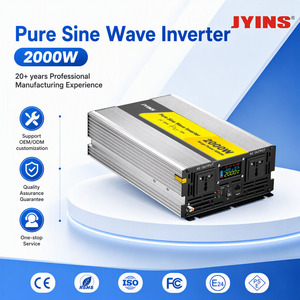
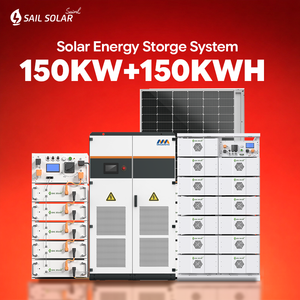
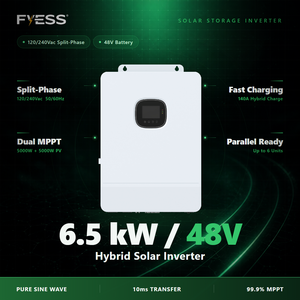
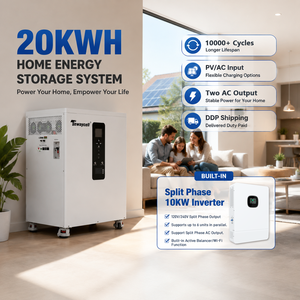
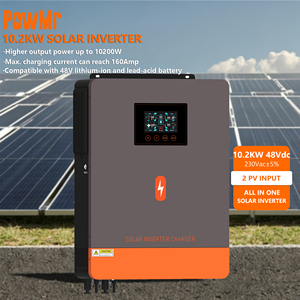
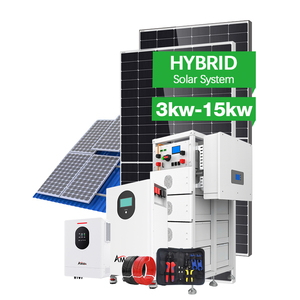
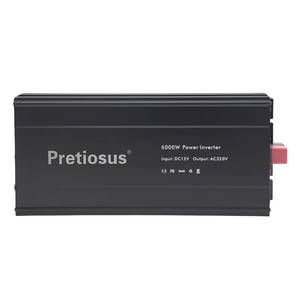
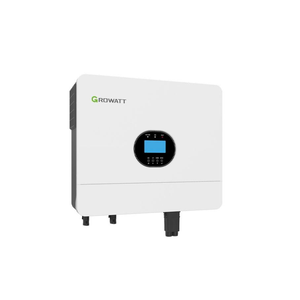
In critical industrial operations across New Zealand—ranging from deep-water marine research vessels in Akaroa to high-vibration mining applications in the West Coast—power conversion failures are unacceptable. Traditional forced-air inverters rely on mechanical cooling fans, which serve as the primary single point of failure (SPOF). Over time, air circulation inevitably draws airborne dust, salt-laden sea air, moisture, and agricultural contaminants directly onto sensitive high-voltage circuit boards, inducing thermal runaway and premature component breakdown.
Our custom convection cooled pure sine wave inverters eliminate internal cooling fans entirely. Thermal dissipation is achieved through proprietary computer-modeled Heatsink Assembly (HSA) fins, heavy-gauge aluminum chassis extrusions, and strategic thermal conduction paths. By removing mechanical moving parts, the Mean Time Between Failures (MTBF) is extended significantly, reaching up to 30 years of operating design life under continuous duty cycles.
Tailored to meet the strict electrical compliance standards (AS/NZS 3000 & AS/NZS 4777) and challenging geographic topography of New Zealand.
From commercial salmon farms in the Marlborough Sounds to oceanographic ROVs and subsea research vessels operating off the Fiordland coast, marine power conversion units encounter extreme salt fog and high humidity. Our fully encapsulated, IP66 die-cast aluminum convection cooled inverters resist continuous salt spray (C5-M marine rating) and severe wave-induced shock without internal corrosion.
New Zealand’s agricultural backbone in regions like Waikato and Canterbury relies heavily on continuous 230V/50Hz power for automated milking sheds, refrigeration, and irrigation systems. Our pure sine wave inverters accommodate high inductive motor inrush currents (up to 3x nominal rating) without voltage dip or harmonic distortion, keeping critical dairy operations online during grid outages.
In thermal and geothermal generation stations around Taupo and Central North Island, ambient air can contain traces of hydrogen sulfide (H2S) and high ambient heat. Convection-cooled inverters with conformal-coated PCB assemblies isolate power electronics from reactive atmospheric gas, delivering continuous control-system power with absolute reliability.
Cellular towers and emergency communications repeaters installed in the Southern Alps face sub-zero temperatures (-30°C), heavy snowfall, and difficult physical access. Fanless convection inverters eliminate fan bearing freeze failures, reducing maintenance helicopter trips to zero while guaranteeing uncompromised telecommunications backhaul.
Onboard DC-AC inverters for KiwiRail passenger carriages and freight locomotives must handle severe shock, vibration (compliant with EN50155 / IEC61373), and rapid wide-input DC swings (from 24Vdc up to 110Vdc nominal battery rails). Heavy-duty mechanical chassis designs keep internal components securely potted and anchored.
Following natural weather events in New Zealand, mobile energy storage systems (ESS) are deployed rapidly to restore grid power. Our custom split-phase and 3-phase hybrid inverters seamlessly bridge battery storage with solar PV and generator inputs, providing instantaneous micro-grid creation for civil defense units.
Navigating energy transition mandates, electrification of marine fleets, and AS/NZS compliance standard updates.
As New Zealand accelerates toward its net-zero carbon goals, industrial facilities and original equipment manufacturers (OEMs) across Wellington, Auckland, and Christchurch are fundamentally restructuring their power architecture. Key macro trends driving demand for high-reliability convection-cooled pure sine wave inverters include:
| Architecture Feature | Commercial Forced-Air | OEM Convection Cooled |
|---|---|---|
| Cooling Mechanism | High-RPM Mechanical Fan | Solid-State HSA Fins / Conduction |
| Dust / Moisture Ingress | High Dust Accumulation | IP66 / Sealed Enclosure Option |
| Expected Design Life | 3 to 5 Years | Up to 30 Years Operating Life |
| Salt Air Resistance | Poor (Causes PCB Corrosion) | High (Marine Grade C5-M / Potting) |
| Acoustic Noise | High (45dB - 65dB) | 0 dB (Completely Silent) |
| Maintenance Frequency | Annual Filter/Fan Replacement | Zero Maintenance Required |
We don't just supply standard catalogue items—we engineer bespoke power conversion solutions adapted to your exact electrical, mechanical, and thermal constraints.
Whether your system operates on standard DC rails (12V, 24V, 48V, 72V, 110V, 250Vdc) or custom utility levels, we adapt core topologies to deliver pure sine wave single-phase (115V/230Vac) or 3-phase (208V/380V/400Vac) at 50Hz, 60Hz, or 400Hz frequency.
Choose from compact open-frame chassis designs, heavy-duty wall-mount enclosures, 19-inch rack-mount sub-racks (3U/4U), Eurocard plug-in modules, or fully potted IP66 die-cast aluminum enclosures for severe washdown environments.
Units can be specified with full internal conformal coating, complete silicone encapsulation (potting) against water immersion and heavy vibration, or custom heat-pipe thermal conduction plates for mounting against customer cold walls.
Clear, technical answers to common queries regarding power inverter selection, customization, and regional delivery.
Convection-cooled inverters dissipate heat naturally through heavy-duty heatsink fins without mechanical fans. In harsh operating environments—such as New Zealand marine installations, agricultural sheds, or dusty mining sites—fans suck in salt spray, dust, and moisture, leading to component corrosion and fan failure. Fanless inverters eliminate this failure point entirely, offering up to 30 years of zero-maintenance operating life and silent 0dB operation.
Yes. As a dedicated OEM manufacturer, our engineering team modifies standard platforms to satisfy local grid interconnection standards, including AS/NZS 4777.2 for grid-tied/hybrid systems and AS/NZS 3000 wiring rules. We can configure nominal AC outputs to 230V single-phase or 400V 3-phase at 50Hz with tight output voltage regulation (±1%).
Our industrial inverter platforms accept broad DC input ranges, including standard battery rails: 12Vdc, 24Vdc, 48Vdc, 72Vdc, 110V/125Vdc, and high-voltage DC inputs up to 350Vdc or 600Vdc for specialized utility and solar energy storage systems. Wide-range inputs accommodate battery charge/discharge voltage swings without affecting output regulation.
Our convection-cooled units use conservatively rated, high-temperature industrial components (such as 105°C-rated long-life electrolytic capacitors and high-grade magnetic cores). They operate at full rated power across wide ambient temperature windows from -40°C to +55°C without derating, and up to +70°C with moderate conduction/convection cooling management.
Absolutely. We offer IP66-rated die-cast aluminum enclosures and fully potted (silicone or epoxy encapsulated) assemblies. These units are completely sealed against dust, sand, oil, metallic particles, and continuous water jets, making them ideal for subsea ROVs, deck-mounted marine electronics, and food-grade washdown processing plants in New Zealand.
Standard platform evaluations and prototype samples are typically delivered in 4 to 6 weeks. Following design qualification and sign-off, volume manufacturing runs are shipped directly to your facility or port in Auckland, Tauranga, Lyttelton, or Wellington via air or sea freight with full DDP (Delivered Duty Paid) logistics support.
Speak directly with our power conversion design engineers to review your input/output specifications, thermal requirements, and mechanical footprints.
Send an Inquiry