
Technical Whitepaper: Strategic Sourcing of Telecom Power Systems & High-Reliability Inverters
The global telecommunications landscape is undergoing a systemic transformation. As mobile network operators (MNOs) roll out 5G standalone (SA) networks, expand 6G research initiatives, and deploy edge computing nodes across non-conditioned outdoor environments, the demand for uninterrupted, high-efficiency DC and AC power conversion systems has reached an all-time high. China has solidified its position as the world's primary hub for telecom power manufacturing, housing state-of-the-art facilities that produce everything from 48V DC switch-mode rectifiers to multi-megawatt hybrid energy storage systems (ESS).
However, navigating the vast directory of Chinese factories and OEM suppliers presents significant engineering and procurement challenges. Distinguishing between assembly integrators and original equipment manufacturers (OEMs) with full thermal design, magnetics winding, and PCB-level qualification capabilities is critical to ensuring network longevity and avoiding catastrophic field failure rates.
Dynamic Transient Response
Telecom loads experience rapid current spikes during traffic bursts. Premium factories engineer switch-mode power supplies (SMPS) with <1ms recovery time and zero voltage dip.
Galvanic & Noise Isolation
High electromagnetic compatibility (EMC) compliance prevents switching noise from interfering with sensitive 5G NR RF transceivers and optical backhaul equipment.
IP66 & Potting Protection
For harsh outdoor installations (salt fog, high humidity, desert dust), top suppliers provide fully encapsulated or IP66 die-cast aluminum power enclosures.
Top Future Procurement & Technology Trends in Telecom Power Systems (2025–2030)
Procurement teams must align their supply chain choices with upcoming technological developments. Below are four key technical trends driving the next generation of telecom power and industrial inverter purchasing:
1. Wide Bandgap (WBG) Semiconductor Adoption: GaN & SiC Topologies
Traditional silicon MOSFETs are rapidly being replaced by Gallium Nitride (GaN) and Silicon Carbide (SiC) power devices. In high-density telecom rectifiers and hybrid solar inverters, GaN technology enables switching frequencies exceeding 500 kHz. This reduces magnetics size by up to 40% while pushing power conversion efficiency beyond 98%. When evaluating Chinese OEM factories, prioritize suppliers with active SiC/GaN SMT production lines and automated thermal imaging testing.
2. Modular 19-Inch Eurocard Architecture & Hot-Swappable N+1 Redundancy
Unplanned downtime in telecom networks carries severe financial and contractual penalties. High-tier Chinese factories specialize in modular 19-inch and 23-inch rack-mount systems hosting plug-in Eurocard modules. If a rectifier or inverter module degrades, the system automatically shifts load via dynamic load sharing while maintenance crews perform hot-swappable replacements without interrupting power to the base station.
3. Integration of Smart Microgrid & LiFePO4 Energy Storage (ESS)
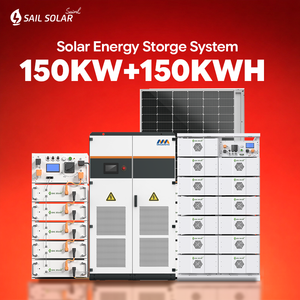
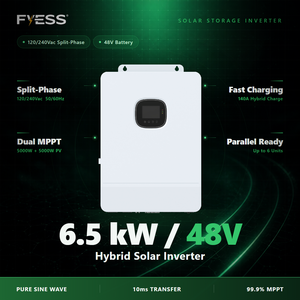
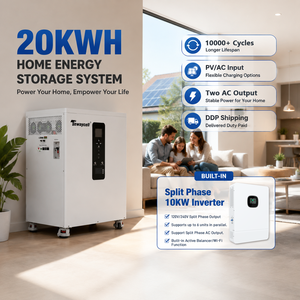
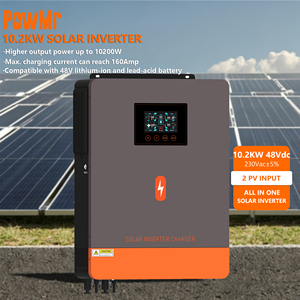
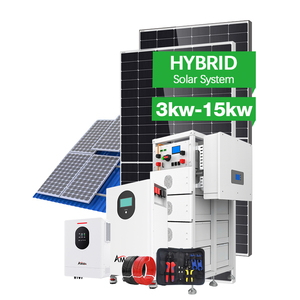
Rising grid energy tariffs have driven telecom operators toward hybrid microgrids. Base stations are increasingly paired with 48V/51.2V LiFePO4 battery banks and high-efficiency hybrid solar inverters (ranging from 6.5kW split-phase to 250kW commercial units). Leading factories build integrated smart controllers supporting MODBUS, CAN bus, and SNMP protocols for remote monitoring via centralized Network Operations Centers (NOC).
4. Optocoupler-Free Extended Lifespan Circuit Topologies
A frequent point of failure in conventional industrial power supplies is the optocoupler in the feedback isolation loop, which degrades rapidly under high ambient operating temperatures. Leading Chinese manufacturing partners are implementing primary-side regulation (PSR) and magnetic feedback topologies. By removing optocouplers, design lifespans expand from the typical 5–7 years to up to 30 years of continuous duty.
Telecom Power & Inverter Technical Specification Matrix
Use the matrix below to benchmark engineering criteria when auditing prospective Chinese factories and OEM suppliers:
| System Category | Input Range | Output Characteristics | Efficiency Rating | Primary Industrial Applications |
|---|---|---|---|---|
| Telecom Rectifier Modules | 85Vac – 300Vac Universal AC | 48Vdc / 54Vdc (Adjustable) | 96.5% – 98.0% (GaN) | 5G Base Stations, Central Offices, Optical Hubs |
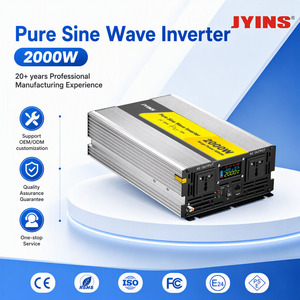
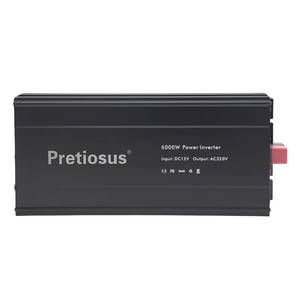
| Pure Sine Wave Inverters | 12V / 24V / 48V / 125Vdc | 110V / 220V / 230Vac (THD < 2%) | 92.0% – 95.5% | Industrial Automation, Emergency Backup, Rail |
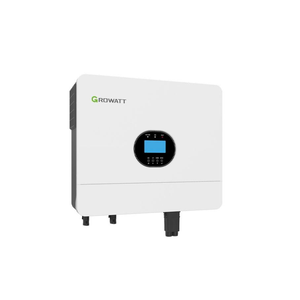
| Split Phase Hybrid Inverters | PV 120V–500Vdc / Battery 48V | 120V / 240Vac Dual Output | 97.5% Peak MPPT | Remote Telecom Towers, Off-Grid Microgrids |
| Commercial ESS Inverters | Battery 200V–800Vdc High Vol. | 400Vac / 480Vac 3-Phase Grid | 98.5% System Eff. | Peak Shaving, Industrial Microgrids, Solar Storage |
| IP66 Die-Cast Power Supplies | 90Vac – 264Vac / Wide DC | 12V / 24V / 48V Isolated DC | 90.0% – 94.0% | Mining, Subsea ROVs, Extreme Marine Environments |
How to Audit & Select a Top-Tier China Telecom Power Factory
Sourcing directly from Chinese OEMs requires a rigorous multi-stage qualification protocol. Relying solely on virtual showroom photos often leads to mismatch in technical capabilities. Procurement directors should mandate the following four verification steps:
1. In-House Manufacturing Control
Verify that the factory owns its SMT lines, automated optical inspection (AOI), transformer winding machines, and vacuum impregnation equipment. Outsourced magnetics introduce quality variance.
2. Environmental Burn-In Facilities
Ensure 100% of manufactured power units undergo full-load elevated temperature burn-in testing (at least 4 to 24 hours at 50°C+ ambient) prior to final electrical testing.
3. Certification & Compliance
Request third-party lab reports (TÜV, UL, SGS) confirming compliance with telecom and safety standards: IEC/EN 62368-1, EN 50125-1 (Railway), CISPR 32 Class B (EMC), and RoHS/REACH.