
Engineering Support +1-613-836-3511
Direct from China's leading OEM marine power manufacturing facility. Engineered for rugged performance under intense humidity, salt spray, and vibration.
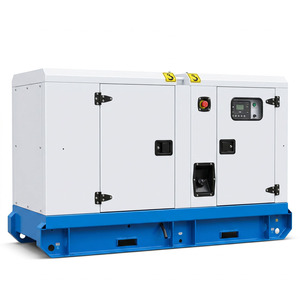
Heavy-duty marine auxiliary generator featuring soundproof acoustic canopy, 100% copper alternator, and digital control integration for continuous commercial vessel duty.
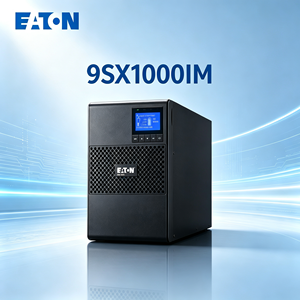
Industrial-grade tower UPS with built-in battery system, delivering zero transfer time online double-conversion back-up for vital shipboard servers and radar nodes.
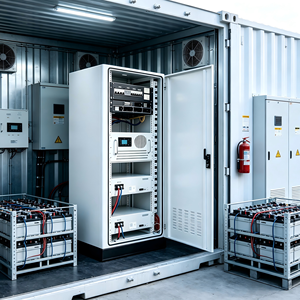
Off-grid low frequency inverter utilizing robust toroidal isolation transformers for commercial yachts and oceanographic vessels with integrated solar charging inputs.
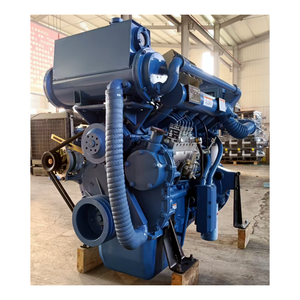
High-displacement 350HP marine power station engineered for cargo ships, tugs, and offshore trawlers requiring continuous peak-load performance.
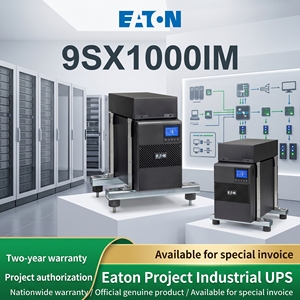
Rugged marine-certified rack mount and tower uninterruptible power supplies engineered for maritime navigation bridge electronics and automation systems.
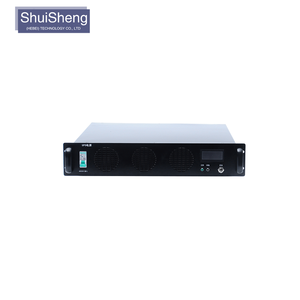
Hermetically sealed, fully encapsulated IP68 power conversion unit offering absolute protection against deep washdowns, submersion, and salt fog corrosion.
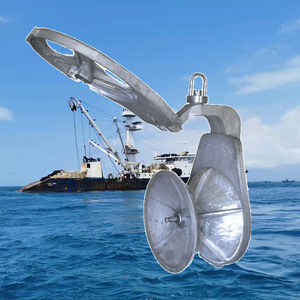
Engineered for extreme torque and harsh marine environments, providing high-efficiency hydraulic and electric power block solutions for oceanic commercial fishing.
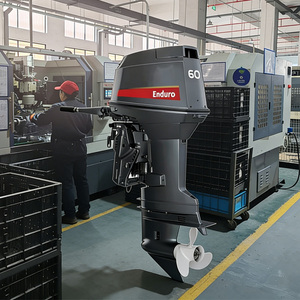
Turnkey 60HP marine outboard motor assembly incorporating advanced fuel injection, low noise profiles, and optimized thrust-to-weight ratios.
Modern vessel engineering demands extreme precision, robust thermal management, and flawless power conversion stability. As maritime operations shift toward strict emission limits, hybrid propulsion, and digitalized navigation bridges, selecting the right marine power manufacturer is a mission-critical purchasing decision. China's leading marine power manufacturing facilities have evolved from simple equipment assemblers into full-stack research, development, and heavy-duty manufacturing powerhouses.
By leveraging integrated industrial supply chains, advanced magnetic winding processes, and comprehensive environmental testing facilities, primary OEM factories deliver specialized power equipment designed to survive decades of oceanic operations. Our manufacturing philosophy centers on eliminating single points of failure across all marine power architectures—from auxiliary silent diesel generator sets to IP68 waterproof navigation power supplies.
Specialized engineering capabilities adapting step-down boost converters, active PFC rectifiers, and dual-source inputs to meet unusual electrical envelopes across cargo ships and naval support vessels.
Advanced die-cast aluminum enclosures and complete potting technologies safeguarding sensitive electronic control units from high-pressure water jets, conductive salt mist, and submersion.
Heavy-duty marine alternators and low-frequency toroidal isolation transformers built with high-purity copper windings to maximize electrical efficiency and minimize internal heat buildup under 110% overload conditions.
The global maritime industry is experiencing a profound technological transformation driven by International Maritime Organization (IMO) carbon-reduction directives, stringent noise control rules, and the integration of autonomous navigation systems. Sourcing teams evaluating China marine power suppliers must understand several critical technical trajectories that shape equipment longevity and total cost of ownership (TCO).
Conventional vessel auxiliary power relied on continuously running diesel generators regardless of operational load factors, leading to excessive fuel consumption and carbon fouling. Modern marine power stations integrate variable-speed diesel engines with lithium-ion energy storage systems (ESS) via bi-directional DC-DC power converters. This microgrid architecture enables engines to operate at optimal fuel-efficiency points while onboard battery banks smooth peak power demands during winch operations or maneuvering.
With modern navigation bridges running sophisticated radar, sonar, and automated workstation computers, electromagnetic interference (EMI) and power harmonics present significant operational risks. Pure sine wave inverters incorporating heavy-duty low-frequency isolation transformers are replacing high-frequency switching units in mission-critical applications. Galvanic isolation prevents ground loops and voltage spikes from propagating between main propulsion machinery and sensitive communications gear.
Deck machinery, navigation workstations, and unmanned surface vehicles (USVs) operate under constant exposure to sea spray, salt fog, and mechanical vibration. Factory-level engineering has transitioned from traditional fan-cooled steel enclosures toward fully potted, die-cast aluminum heat sinks. Eliminating open air circulation removes the possibility of saline moisture condensing on circuit assemblies, extending functional service life up to 30 years without internal maintenance.
Compare key structural specifications across primary marine power product lines to identify optimal equipment fits for commercial fleets, workboats, and specialized naval craft.
| Equipment Category | Typical Power Range | Cooling & Protection | Core Application Scenario | Key OEM Design Feature |
|---|---|---|---|---|
| Silent Marine Gensets | 50kW – 500kW+ | Liquid Cooled / Soundproof Canopy | Main Auxiliary Cargo Ships / Trawlers | 100% Copper Alternator, Digital Paralleling |
| Marine Online UPS Systems | 1000VA – 10kVA | Convection / Forced Air IP22-IP32 | Navigation Bridge / Server Back-up | Zero Transfer Time, Double Conversion |
| Pure Sine Wave Inverters | 500W – 10kW+ | Conduction / Heatsink Baseplate | Off-Grid Yacht Power / Solar Arrays | Toroidal Isolation Transformer, Low THD |
| IP68 Sealed Power Supplies | 100W – 2kW | Full Encapsulation / Aluminum Die-Cast | Vessel Workstations / Subsea ROVs | Immunity to Salt Mist, Submersion & Shock |
| Outboard Power Units | 15HP – 300HP | Raw Water Cooled / Anti-Corrosion Anodes | Commercial Patrol & Fishing Fleet | Multi-Point Electronic Fuel Injection (EFI) |
Procuring marine power systems from factories in China requires a structured evaluation framework that goes beyond simple unit costs. Experienced marine buyers focus heavily on certification compliance, factory testing capabilities, and design adaptability.
Expert guidance addressing typical technical, logistical, and customization questions from maritime engineers and international sourcing directors.
Silent marine generator sets employ multi-density acoustic foam insulation within a corrosion-resistant steel or aluminum canopy. Coupled with anti-vibration rubber mounts between the engine block and base frame, structural noise transmission to the vessel hull is dramatically reduced.
Toroidal isolation transformers provide physical galvanic separation between battery storage and AC distribution grids. This prevents DC leakage into marine ground planes, reduces electrical noise in navigation instruments, and provides high surge capacity for inductive motor loads.
Equipment mounted on open decks should feature a minimum rating of IP66 to resist heavy sea spray and high-pressure washdowns. For equipment subjected to temporary submersion or severe deck flooding, fully encapsulated IP68 power systems are recommended.
Yes. OEM facilities can build systems to match worldwide power standards, including 110V/220V/380V/440V AC outputs at 50Hz, 60Hz, or specialized 400Hz frequency ratings for naval and aerospace equipment.
Double-conversion online UPS systems continuously convert incoming AC generator power to DC, then re-invert it back to pristine AC power. This provides complete isolation from frequency fluctuations, voltage sags, and harmonic distortion caused by heavy thrusters or winch starts.
Mitigation strategies include applying military-grade conformal coatings to internal circuit boards, using stainless steel external fasteners, utilizing die-cast anodized aluminum enclosures, and fitting multi-stage sacrificial zinc or aluminum anodes on raw water cooling loops.
Yes. Auxiliary marine generators can be specified with digital auto-start and load-sharing controllers. These controllers automatically match voltage, frequency, and phase angles to safely parallel generators across busbars according to vessel power demands.
Standard platform configurations generally ship within 2 to 4 weeks, while fully customized power topologies requiring custom enclosures, specialized winding, and classification certificates typical require 6 to 10 weeks for production and factory acceptance testing (FAT).
Need custom power topologies, IP68 sealed power supplies, or heavy-duty silent diesel generators customized to your vessel blueprints? Connect directly with our lead engineering team for detailed technical proposals.
Get a Quote