
Engineering Support +1-613-836-3511
Explore our OEM-grade power conversion systems, built with rugged topologies, ultra-wide input ranges, and high-efficiency thermal architectures.
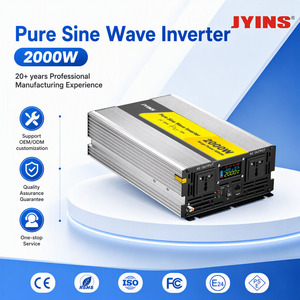
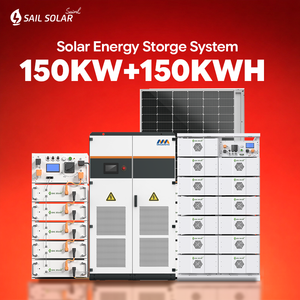
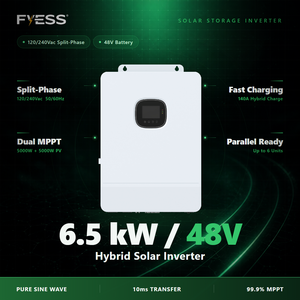
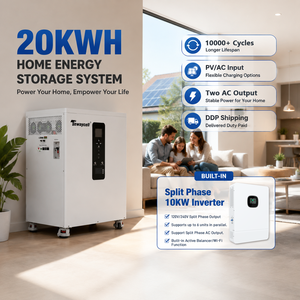
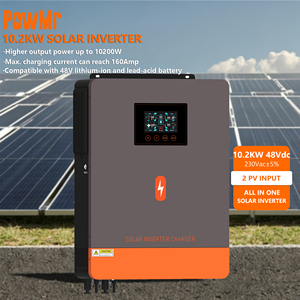
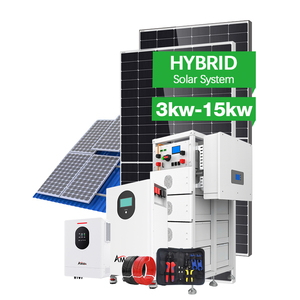
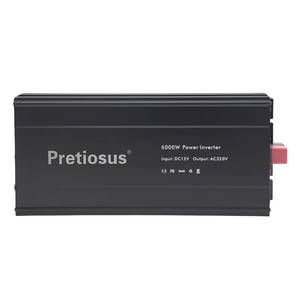
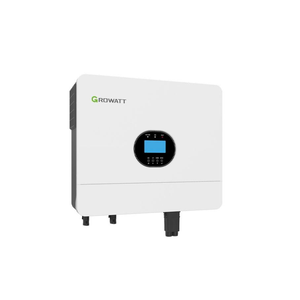
Delivering high-reliability power solutions designed for electrical rolling stock, trackside signaling, and critical transport infrastructure.
Modern railway power conversion requires strict adherence to international electrical and safety benchmarks. Our CE-certified power supplies, DC-DC converters, and sine wave inverters undergo rigorous testing to comply with EN 50155 (IEC 60571) for electronic equipment used on rolling stock.
With an active manufacturing footprint operating from our dedicated 80,000 sq ft facility in Ottawa, Canada, we provide custom and semi-custom engineering tailored to non-standard battery voltages, form factors, and extreme thermal conditions.
Comprehensive design parameters across our standard and custom-engineered railway power supply platforms.
| Platform Category | Nominal Input Voltage (Un) | Output Power Envelope | Thermal & Cooling Spec | Compliance & Certifications |
|---|---|---|---|---|
| Railway DC-DC Converters | 24V, 36V, 48V, 72V, 96V, 110VDC (14.4V – 154V continuous) | 50W to over 10kW (Parallelable) | Conduction baseplate, HSA fins, or fanless convection (-40°C to +85°C) | EN 50155, EN 50121-3-2, CE, RIA 12, IEC 61373 Shock/Vib |
| Onboard DC-AC Inverters | 24V, 48V, 110VDC battery source | 150VA to 10kVA (1-Phase / 3-Phase) | Pure sine wave output (<2% THD), forced air or convection chassis | CE, EN 50155, EN 45545-2 (Fire protection), UL 458 compliance options |
| Trackside Battery Chargers | 110V/230V AC Universal or 400VAC 3-Phase | 500W to 10kW+ modular banks | Conformal coated boards, micro-controller 3-stage temperature compensation | CE Mark, EN 62368-1, EN 50123-7 trackside standard |
| 19-Inch Eurocard Rack Systems | Dual-input AC/DC auto-transfer rails | Scalable N+1 redundant (up to 30kW) | Front-to-back forced air, hot-swappable plug-in Eurocard modules | DIN 41494, EN 50155, CE certified industrial framework |
Key technological advancements shaping the purchasing requirements of rolling stock builders and rail infrastructure operators globally.
The transition from conventional Silicon IGBTs to Silicon Carbide (SiC) switching topologies is revolutionizing auxiliary power converters (APUs). SiC devices operate at higher frequencies, drastically reducing the physical footprint of magnetic components while improving power conversion efficiency past 96%. This weight reduction directly contributes to lower energy consumption per passenger kilometer.
With non-electrified routes moving away from diesel power, procurement teams are searching for ultra-wide input range DC-DC converters capable of interfacing with hydrogen fuel cells and high-voltage Lithium Iron Phosphate (LFP) traction batteries. Power supplies must now tolerate wider voltage swings during regenerative braking back-feed cycles.
Railway operators are phasing out unmanaged power units. Modern specifications mandate smart digital power supplies featuring embedded microcontrollers communicating via RS485, CANbus, or Ethernet. Real-time diagnostic telemetry enables predictive detection of capacitor aging, thermal spikes, and phase imbalances before line failures occur.
Essential selection criteria for procurement managers, systems integrators, and consulting electrical engineers.
Rail vehicles operate in harsh environments—from sub-zero arctic trackside enclosures to engine compartments reaching ambient temperatures above +70°C. Buying teams must evaluate whether power supplies rely strictly on internal cooling fans—which are prone to dust clogging and mechanical failure—or utilize heavy-duty conduction-cooled cold plates and natural convection heat sink assemblies (HSA).
Standard industrial power supplies typically fail when exposed to the continuous voltage fluctuations, inductive load spikes, and third-rail contact interruptions common to rail lines. Suppliers must verify compliance with RIA 12 (3.5 times nominal voltage for 20ms) and EN 50155 surge requirements without relying on fragile external filtering circuits.
Technical and commercial insights for engineering teams procuring railway and heavy industrial power units.
Have a specialized railway, industrial, or subsea power conversion requirement? Work directly with our design engineers to establish specifications, request custom modifications, or obtain pricing.
Inquire Now