
Engineering Support +1-613-836-3511
Explore our CE-compliant isolation and power transformation solutions engineered for seamless integration across industrial, renewable energy, and commercial infrastructure.
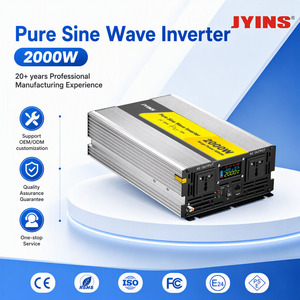
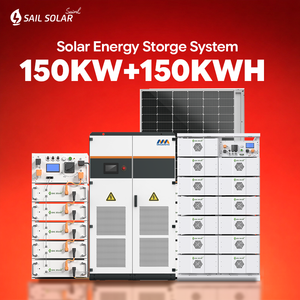
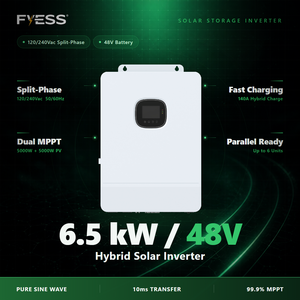
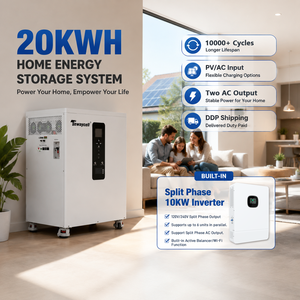
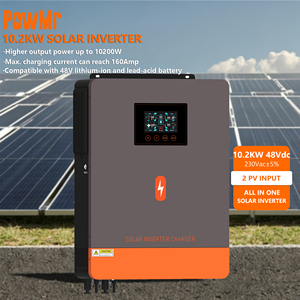
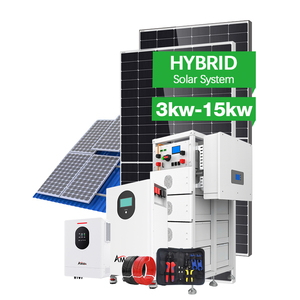
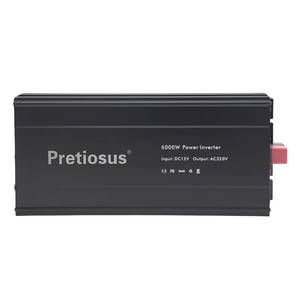
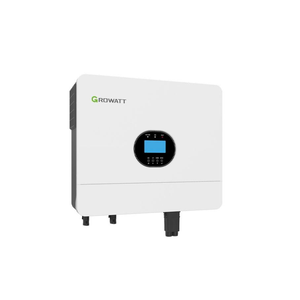
In modern industrial electrification, high-power energy storage systems (BESS), utility substations, and sensitive medical environments, the requirement for robust galvanic isolation cannot be understated. A CE Certified Isolation Transformer serves as the fundamental barrier against electrical shock, common-mode noise propagation, ground loops, and severe grid voltage transients. Unlike standard auto-transformers that share a magnetic and electrical winding circuit, true isolation transformers physically decouple the primary input circuit from the secondary load circuit via dedicated Faraday electrostatic shielding and high-dielectric insulation barriers.
As a global OEM power conversion specialist operating from an 80,000 sq ft facility, our engineering approach integrates magnetic design optimization, low core-loss grain-oriented electrical steel (CRGO), and thermal management systems capable of sustaining operating lifespans up to 30 years under continuous full-load conditions.
Technical Insight: Galvanic isolation prevents the transfer of DC leakage current between AC grid systems and DC energy storage equipment. By implementing electrostatic Faraday shields grounded directly to the chassis, interwinding capacitance is reduced to sub-picofard levels, effectively attenuating high-frequency noise spikes by over 60 dB.
The design matrix of a heavy-duty CE certified isolation transformer hinges on balancing electromagnetic efficiency with strict safety compliance governed by European Directives, including the Low Voltage Directive (LVD 2014/35/EU) and Electromagnetic Compatibility Directive (EMC 2014/30/EU). Key structural design elements include:
When integrated into complex power conversion platforms—such as pure sine wave off-grid inverters, commercial hybrid solar storage systems, and split-phase battery banks—the isolation transformer neutralizes common-mode noise ($V_{cm}$) generated by high-speed Insulated Gate Bipolar Transistors (IGBTs) and Silicon Carbide (SiC) switching networks. Without effective isolation, high $dv/dt$ transients degrade motor insulation, trigger false sensor alarms, and compromise sensitive control logic.
Combining over four decades of custom power design with rigorous vertically integrated manufacturing in Ottawa, Canada.
Available in IP66-rated sealed die-cast aluminum enclosures and fully encapsulated potting packages engineered to resist saltwater spray, mining dust, humidity, and extreme thermal swings (-40°C to +70°C).
We modify proven magnetic topologies to match non-standard input voltages (12Vdc to 600Vac), frequency outputs (50Hz, 60Hz, 400Hz), mechanical footprints, and dual-source redundant bus configurations.
Elimination of optocouplers in feedback loops, usage of conservatively derated magnetic cores, and high-margin thermal copper windings support targeted continuous operation life spans of up to 30 years.
The global transition towards decentralized renewable energy, high-density battery energy storage systems (BESS), and electrification of heavy transport is driving a major evolution in isolation transformer manufacturing. Procurement teams and system integrators must align their sourcing strategies with several transformative industry shifts expected through 2030 and beyond:
Traditional 50/60Hz line-frequency transformers, while highly reliable, carry significant weight and volume footprints. The market is increasingly adopting high-frequency isolation transformers operating in the 10kHz to 100kHz domain, driven by SiC and GaN semiconductor topologies. These units provide galvanic isolation at a fraction of the weight, making them critical for mobile solar ESS, heavy vehicle charging hubs, and shipboard power distribution systems.
With the proliferation of commercial hybrid solar inverters, variable frequency drives (VFDs), and EV fast-chargers, non-linear harmonic currents (specifically the 3rd, 9th, and 15th zero-sequence harmonics) create severe core heating and neutral conductor overloading. Modern procurement protocols require factory-certified K-Factor rated isolation transformers (K-13, K-20) designed with specialized double-neutral conductors and electrostatically shielded multi-winding schemes to neutralize neutral overheating.
In accordance with global net-zero mandates and updated European Eco-design Directives (EN 50588-1), B2B buyers are replacing standard silicon steel cores with amorphous metal alloys and ultra-thin grain-oriented electrical steel. Amorphous cores reduce no-load standby losses (hysteresis loss) by up to 70-80%, significantly lowering the total cost of ownership (TCO) over a multi-decade operational lifespan.
Future-ready isolation transformer factories are embedding digital fiber-optic temperature sensors, moisture-in-oil/insulation detectors, and real-time insulation resistance (IR) telemetry directly into the winding structure. This enables facility managers to transition from reactive maintenance schedules to predictive AI-driven health monitoring.
Below is a comparative breakdown of key engineering parameters across typical industrial isolation transformer configurations produced in OEM manufacturing facilities.
| Transformer Platform | Power Envelope | Primary Voltage Range | Galvanic Insulation / Testing | Cooling & Enclosure Options | Target Application |
|---|---|---|---|---|---|
| Industrial Low-Noise Isolation | 500VA – 50kVA | 110V – 600Vac (Single/3-Phase) | 4000Vrms Hipot / Class H (180°C) | Natural Convection, IP20/IP54 Chassis | Automation Controllers, CNC Machines, Instrumentation |
| Renewable BESS Isolation | 10kVA – 500kVA+ | 208V, 400V, 480V, 600Vac | Faraday Shielded / K-13 & K-20 Rated | Forced Air / Heavy-Duty VPI Coated | Commercial Hybrid Solar, Peak Shaving ESS |
| Heavy-Duty IP66 Enclosed | 1kVA – 25kVA | Custom DC inputs via Inverter / AC Grid | Fully Encapsulated / Die-Cast Aluminum | Conduction / IP66 Sealed Die-Cast | Underground Mining, Marine, Offshore ROVs |
| High-Frequency / Railway Grade | 500VA – 15kVA | 12Vdc to 250Vdc Rail Supplies / 400Hz | Enhanced Creepage & Clearance (EN 50124) | Shock & Vibration Compliant Chassis | Locomotive Onboard Power, Subsea Infrastructure |
Detailed answers to common technical queries raised by electrical engineers, system integrators, and procurement teams during transformer selection.
Connect directly with our magnetic design specialists and application engineering team to evaluate your project specifications, request technical datasheets, or schedule factory qualification testing.
Contact Us